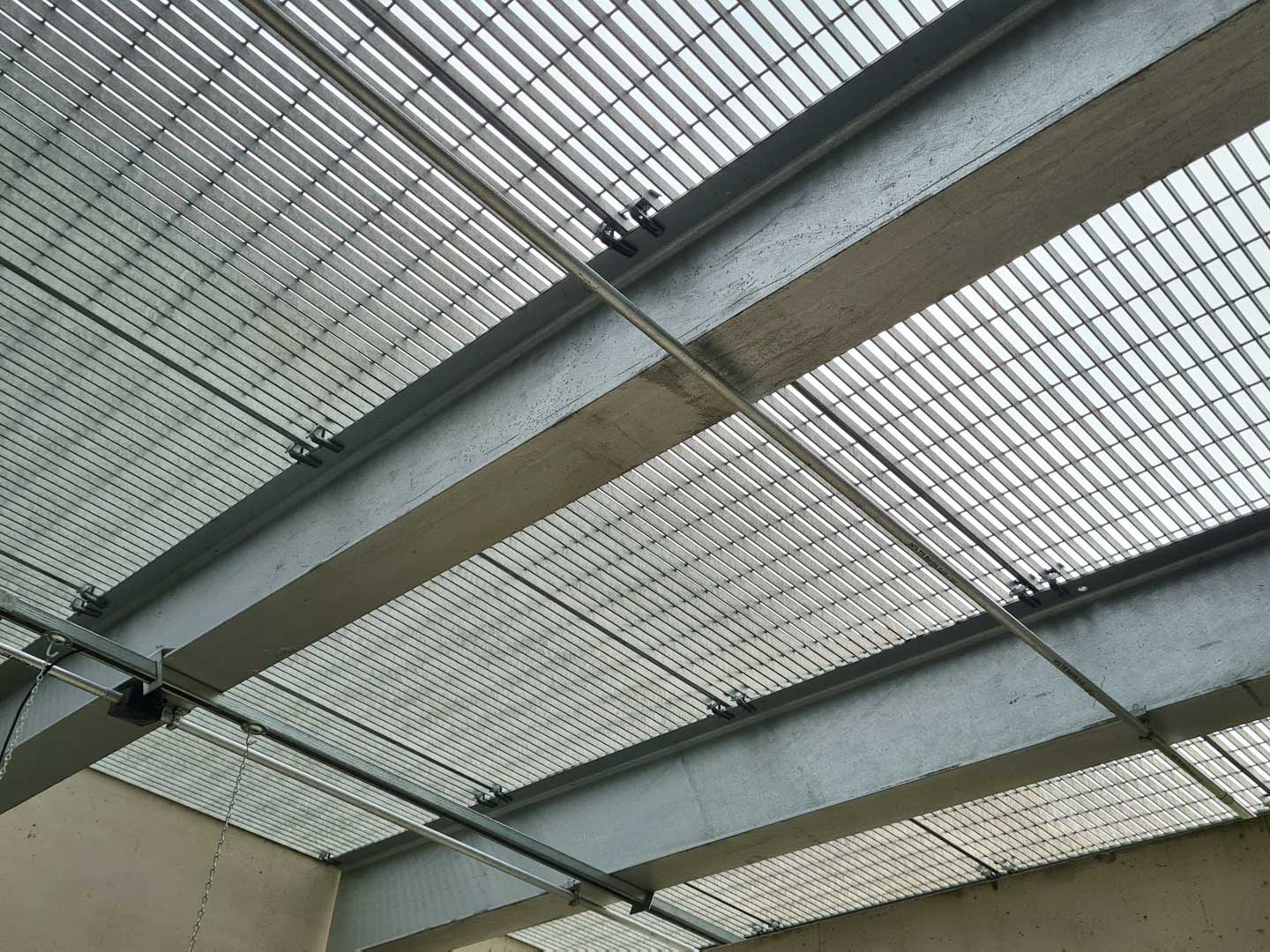
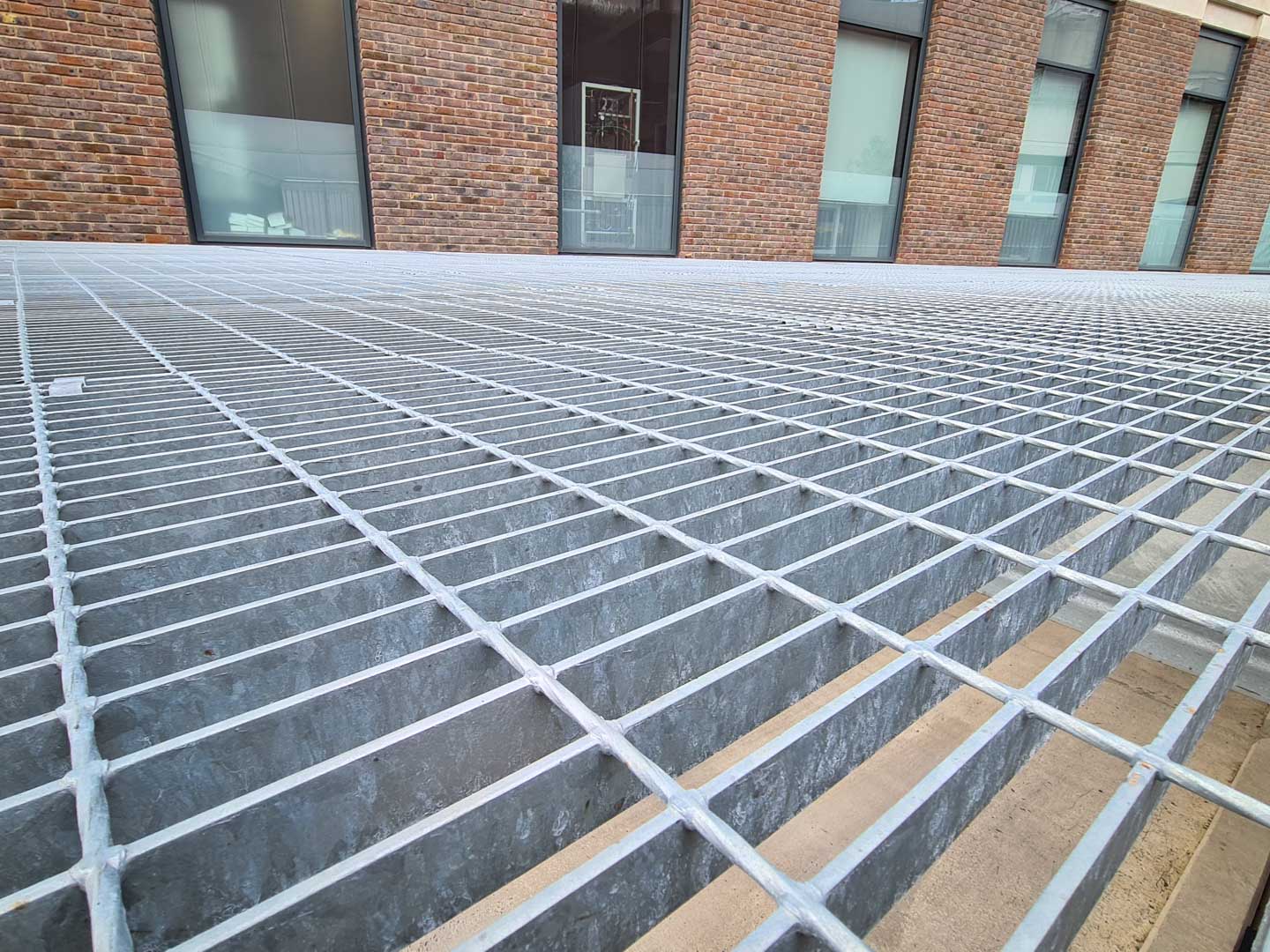
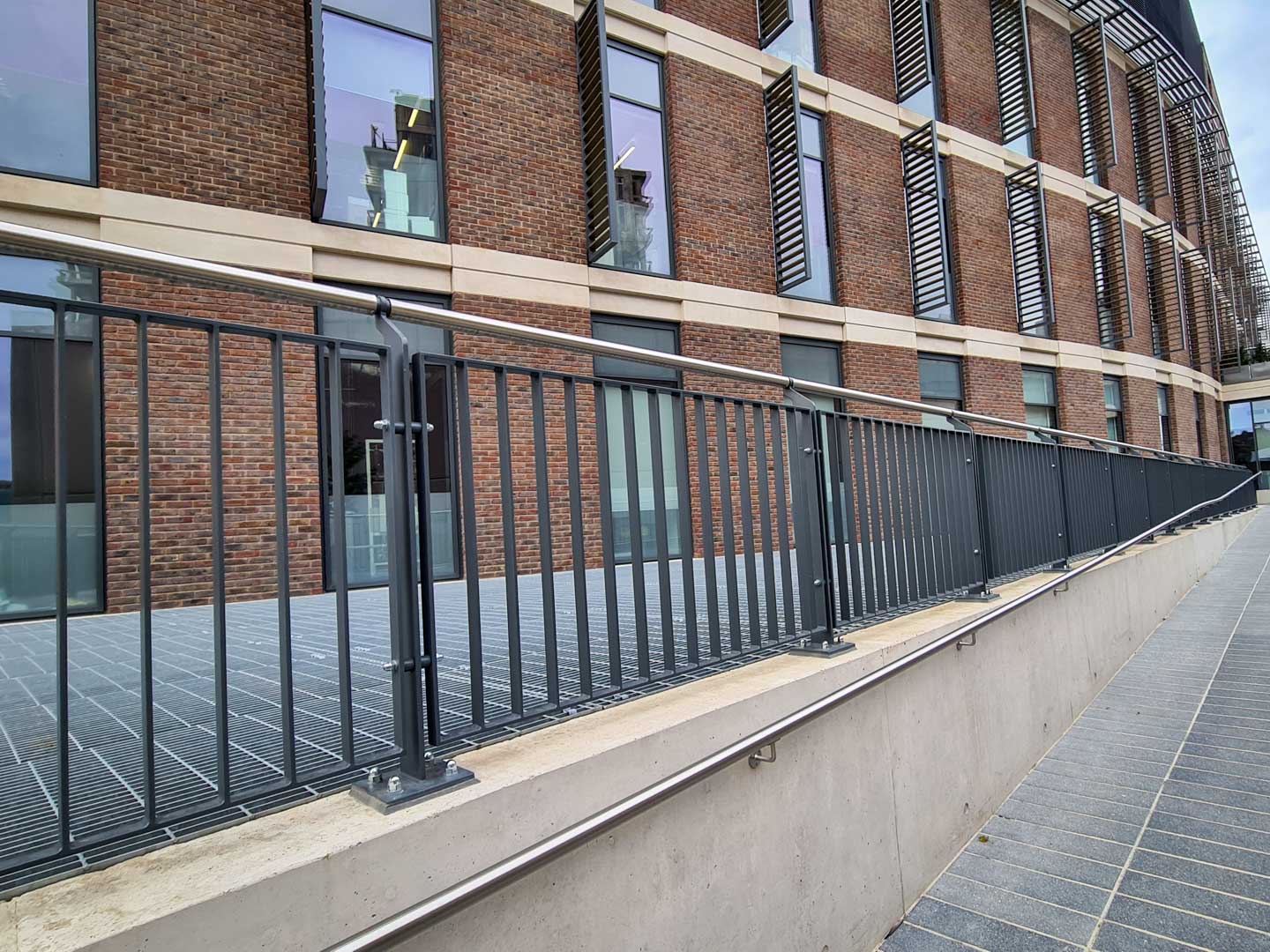
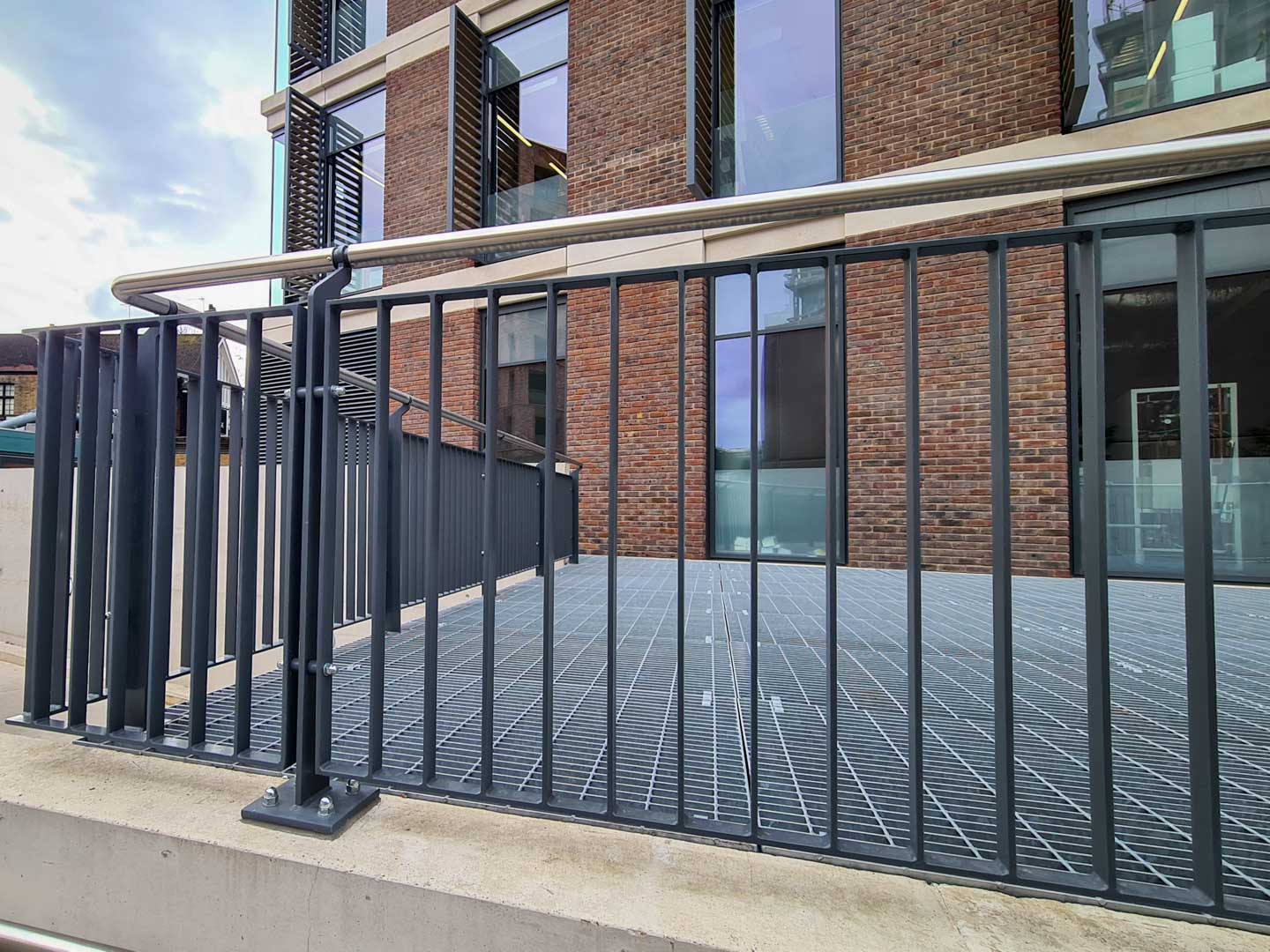
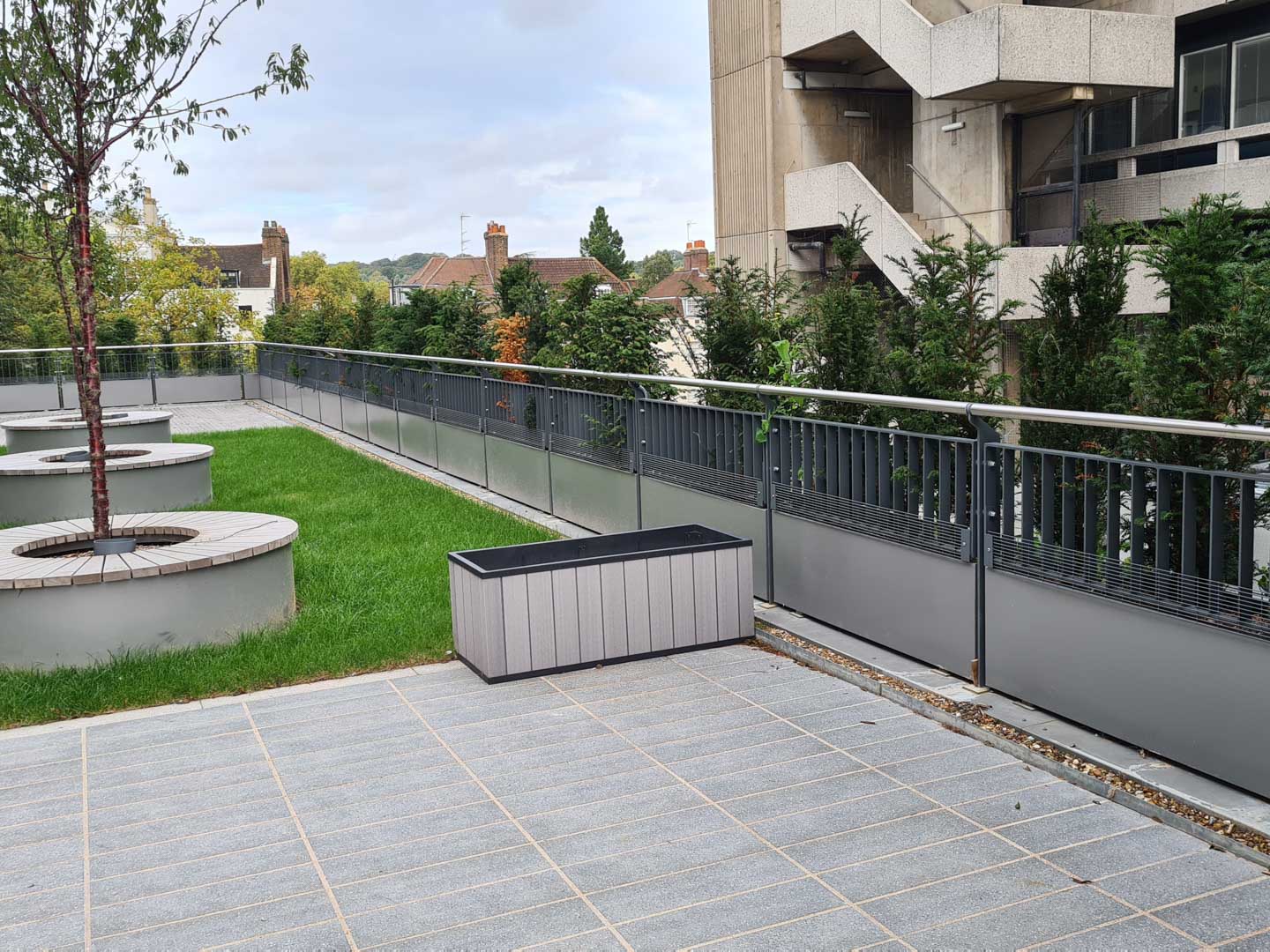
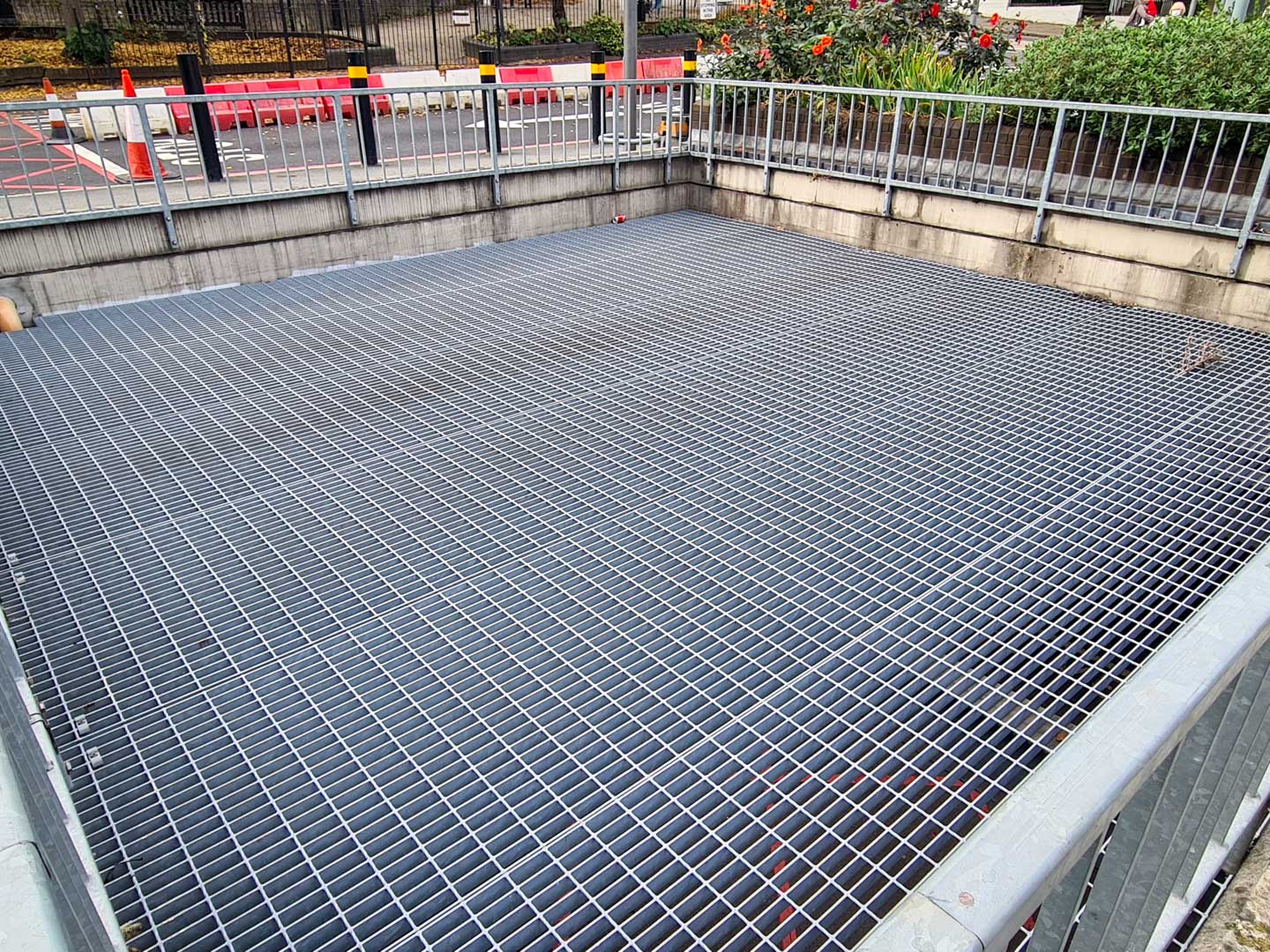
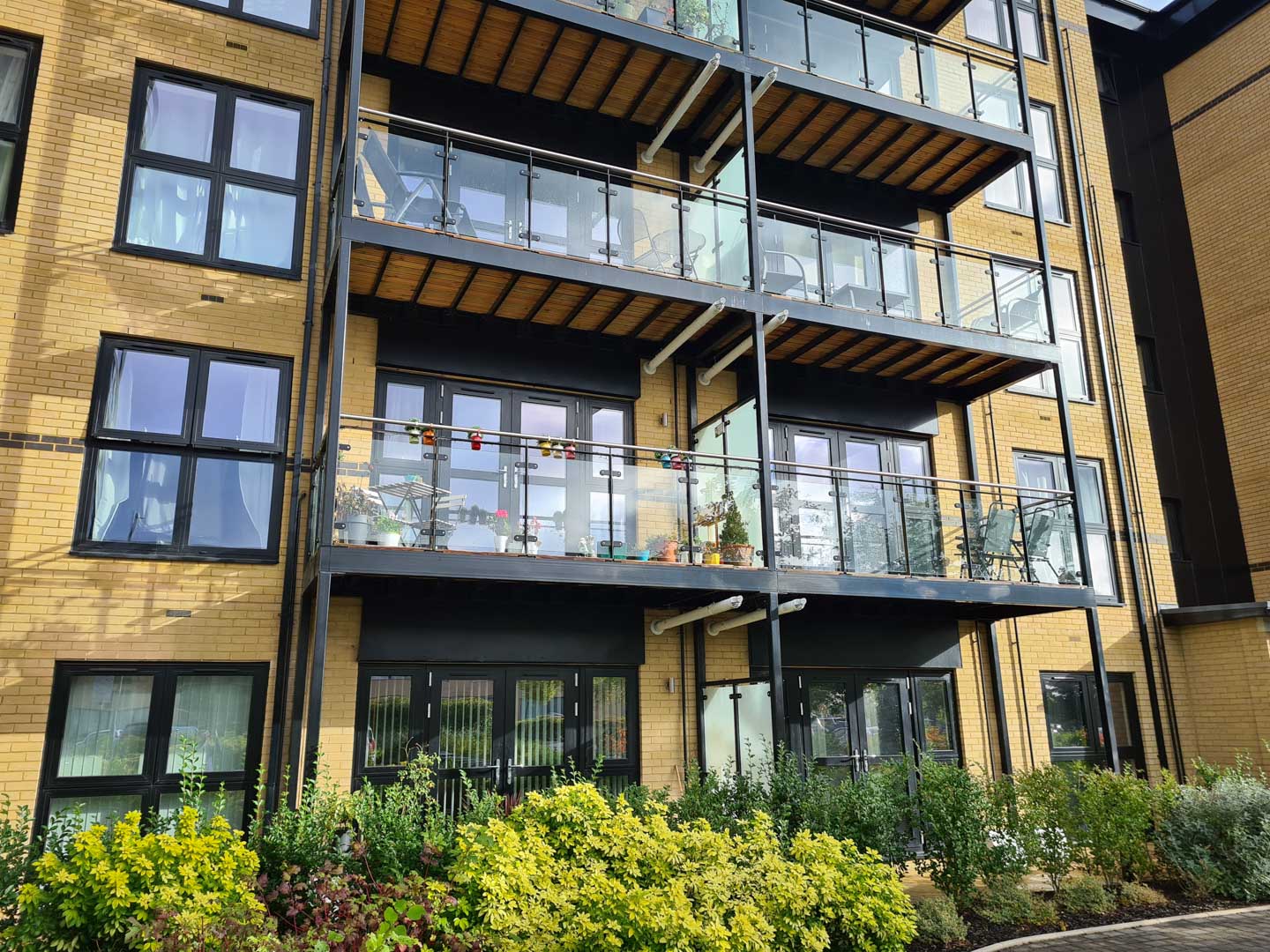
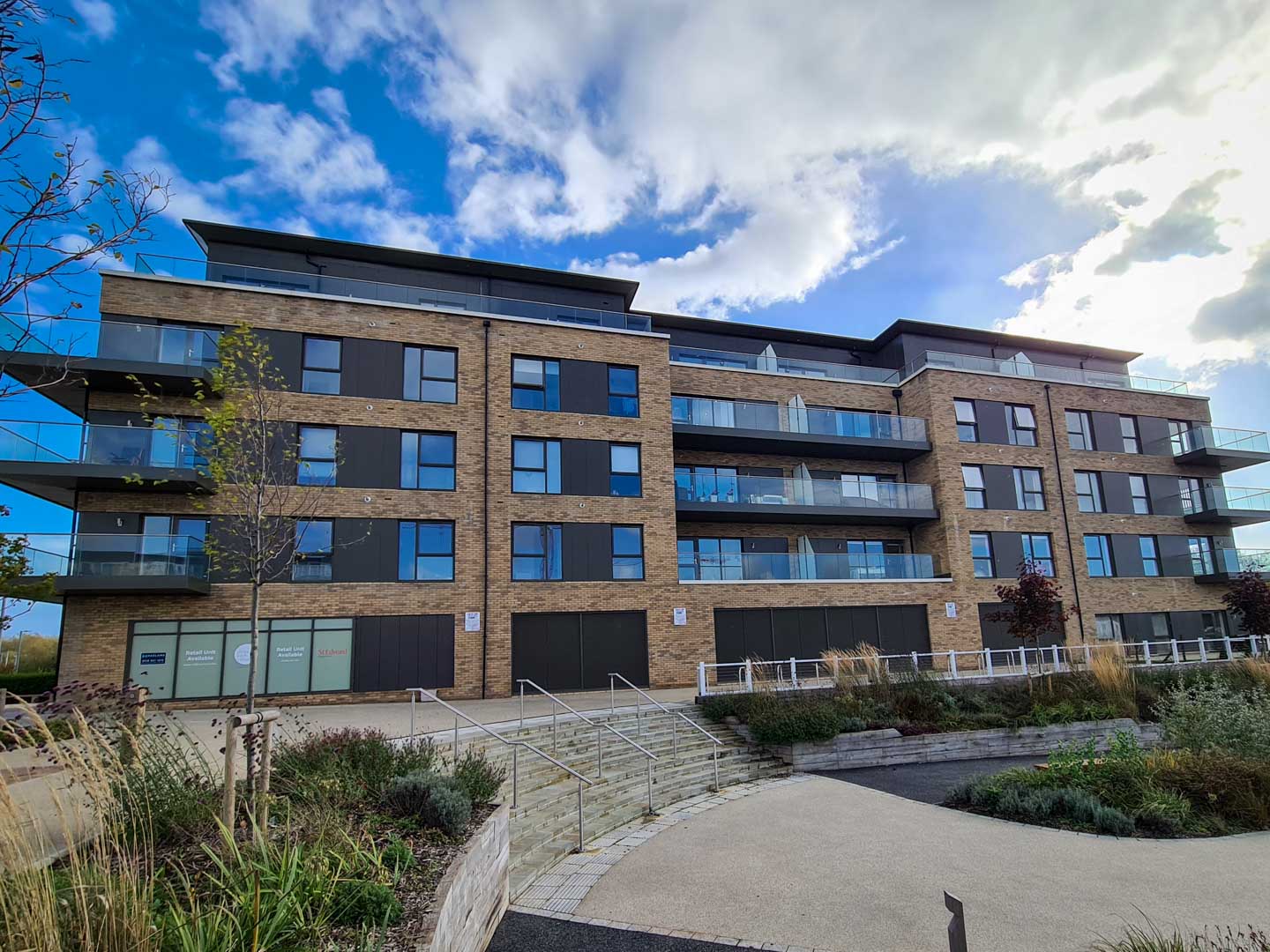
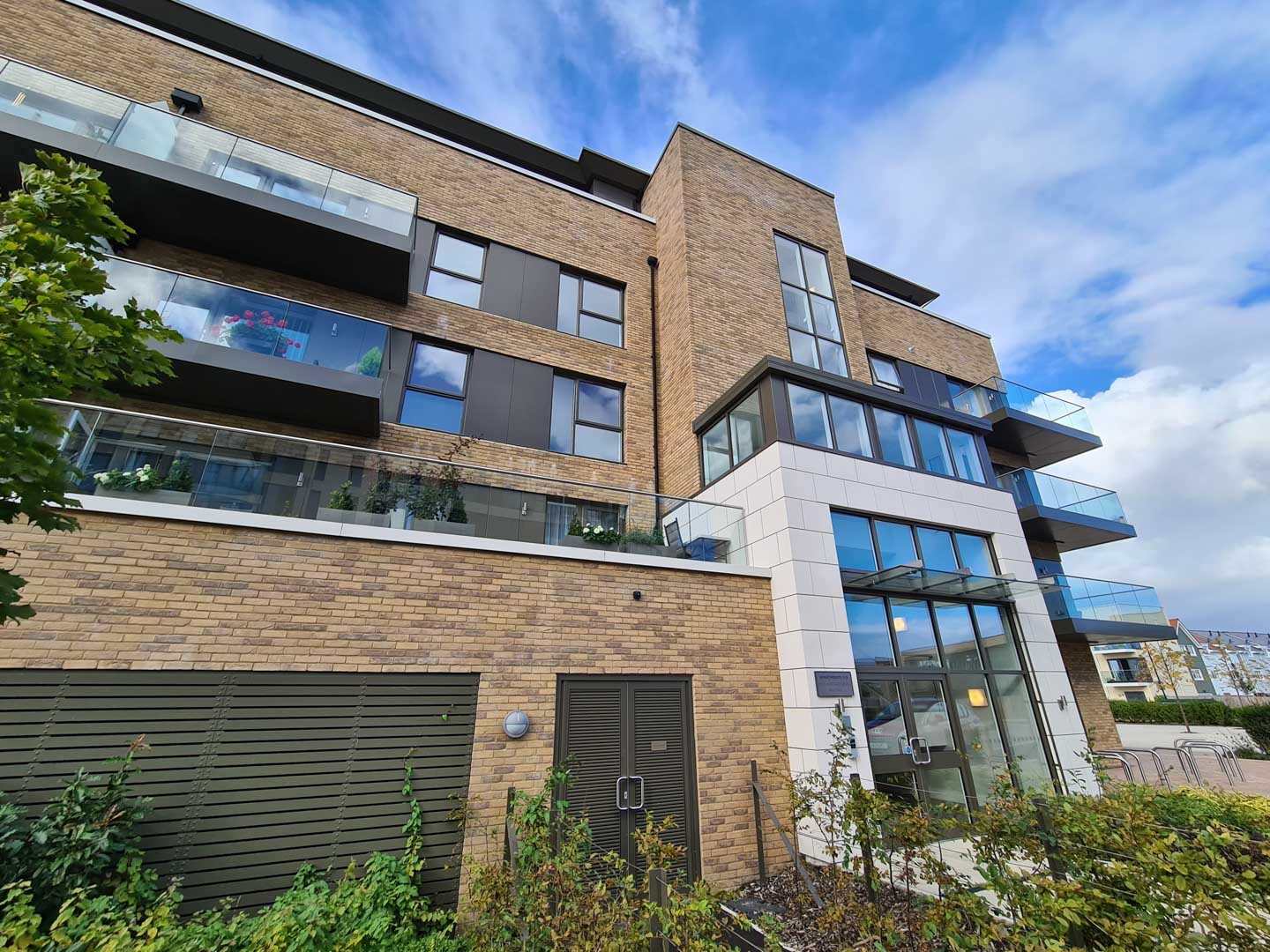
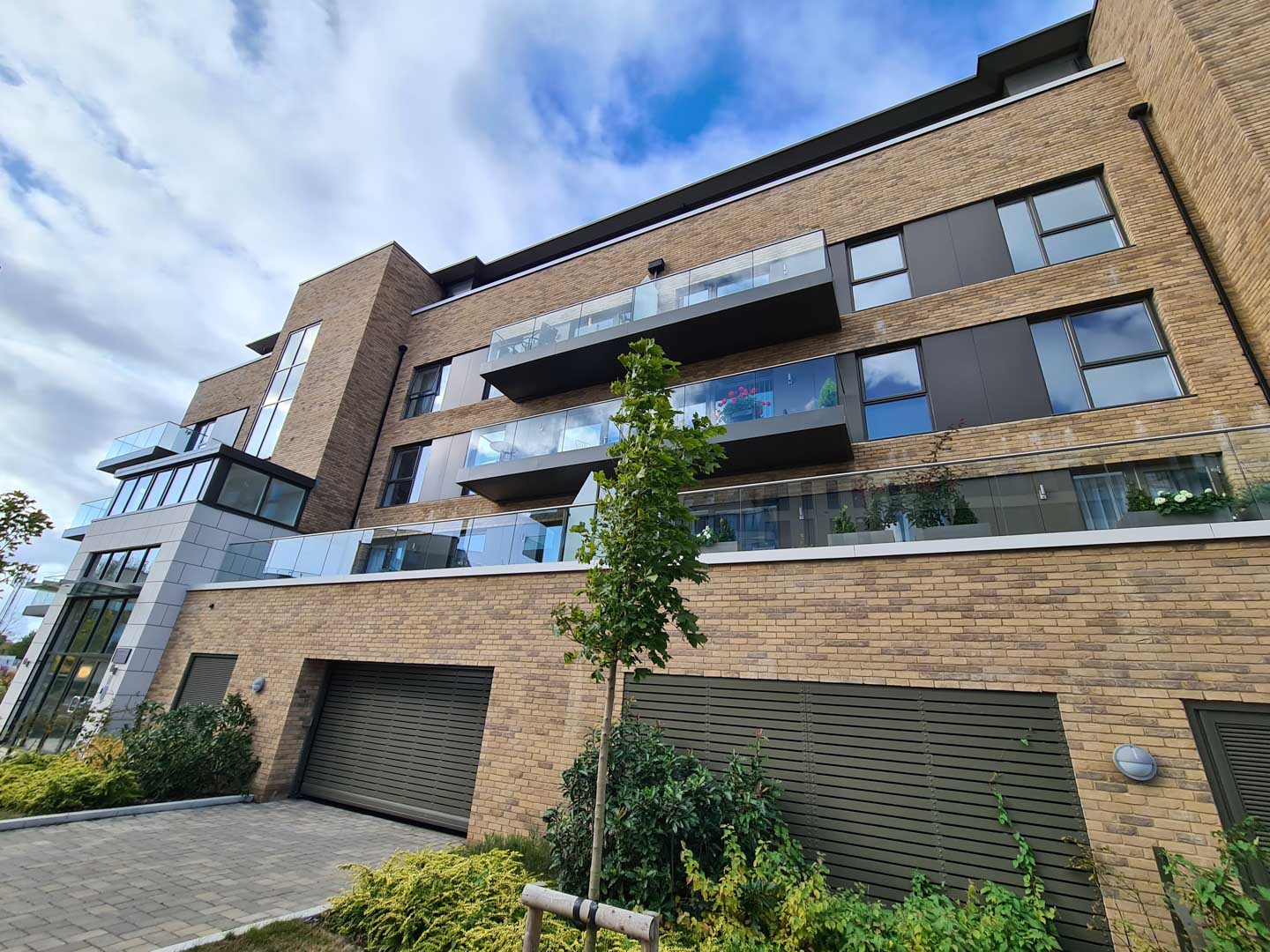
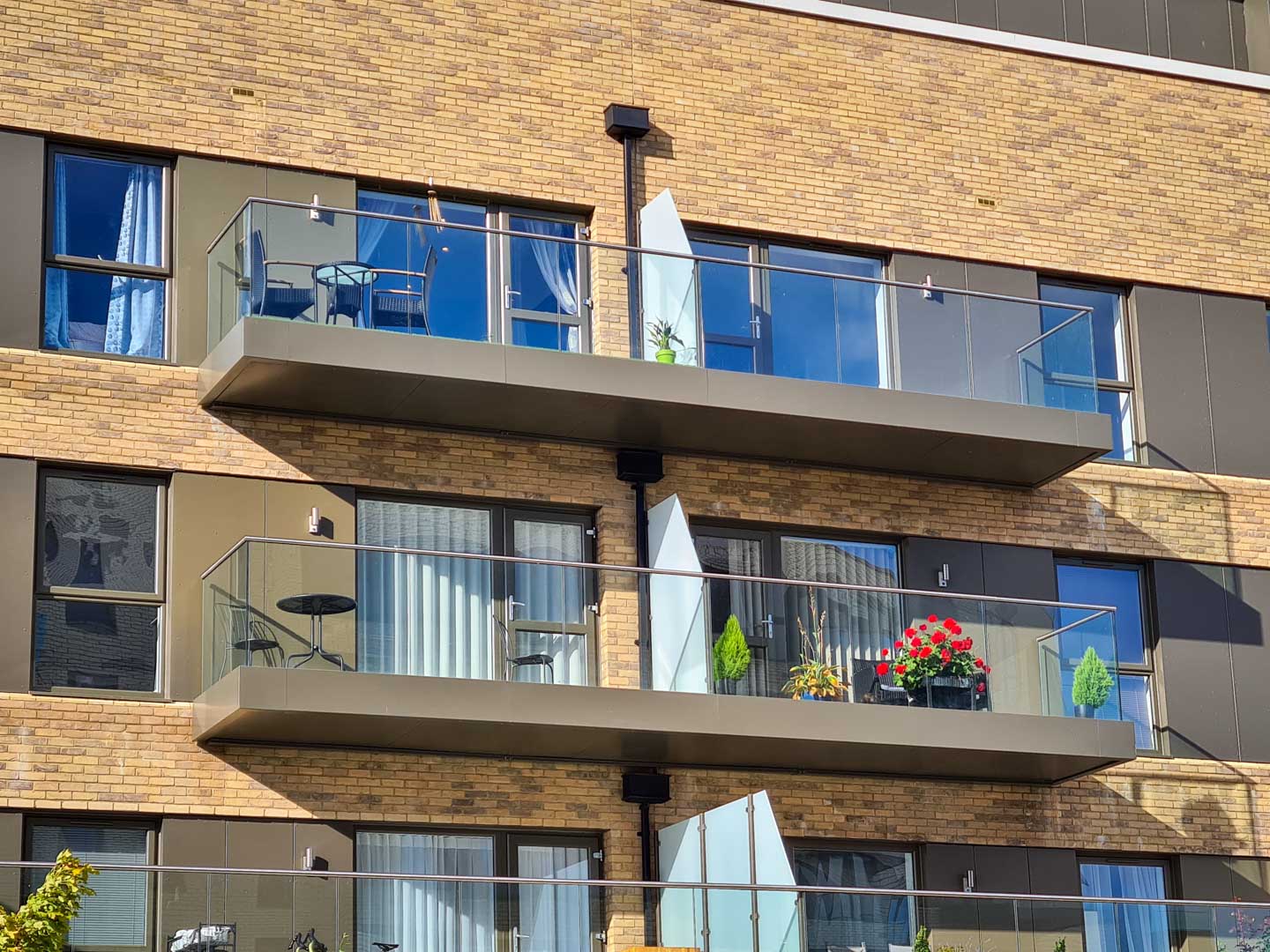
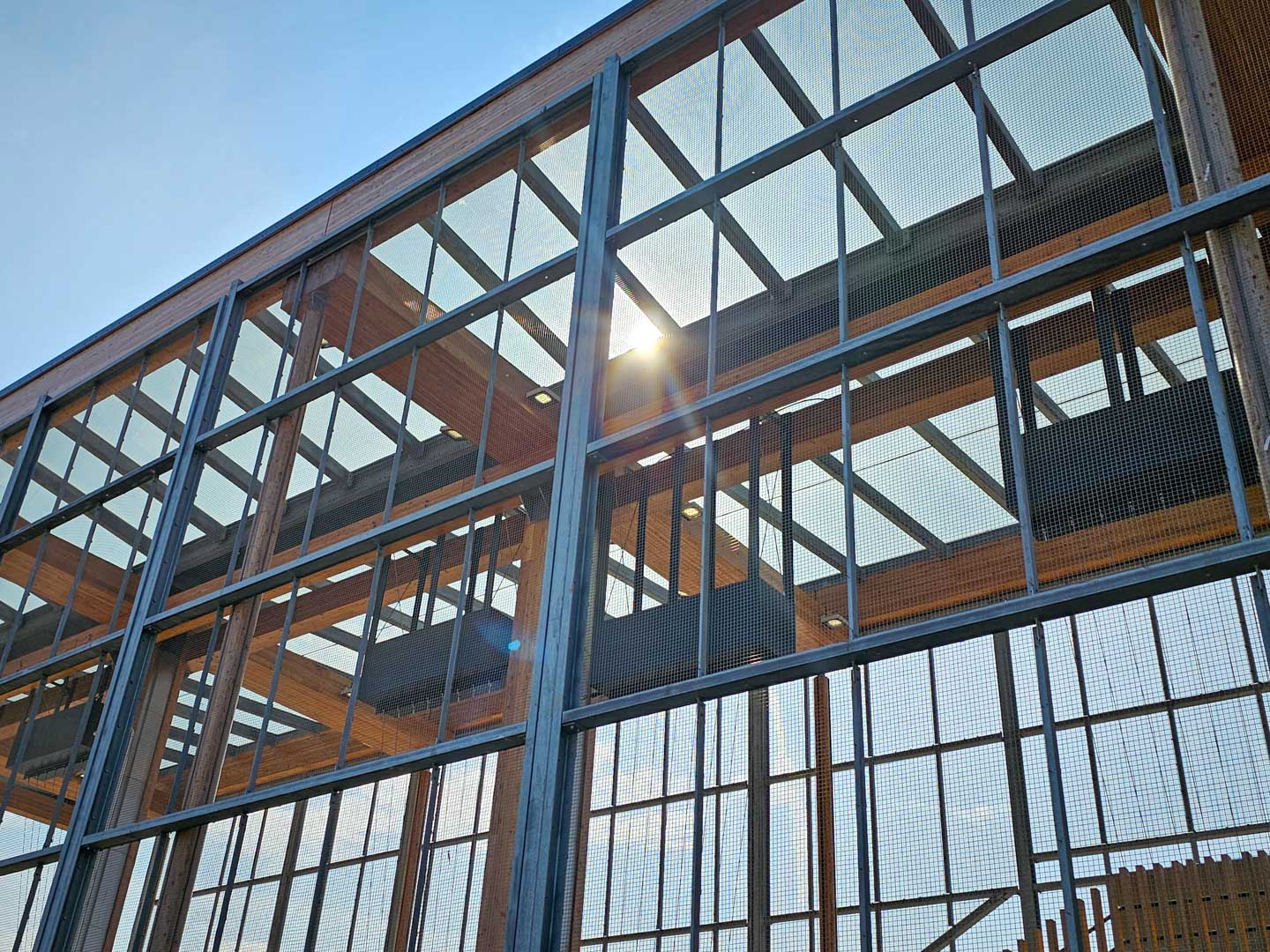
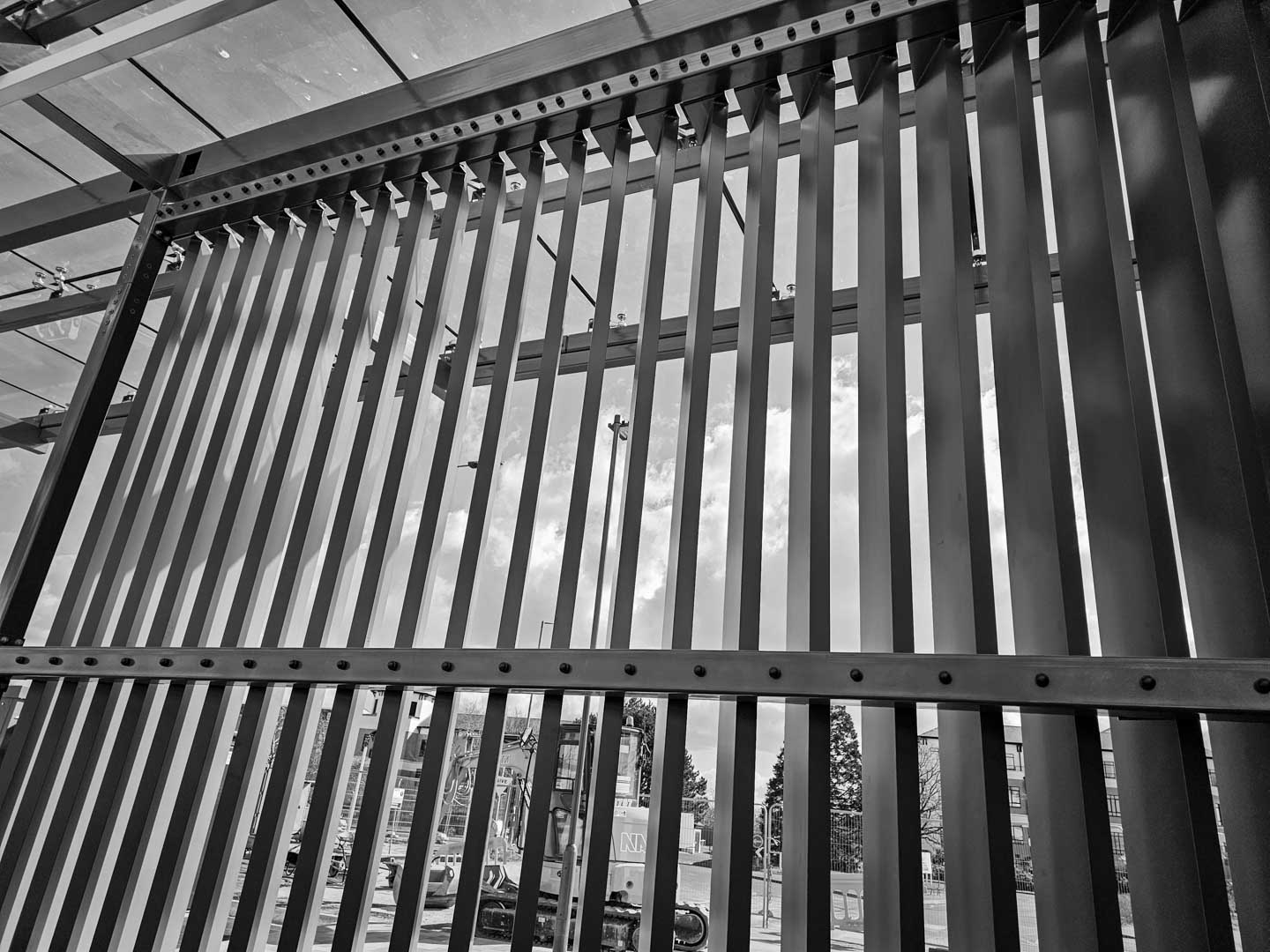
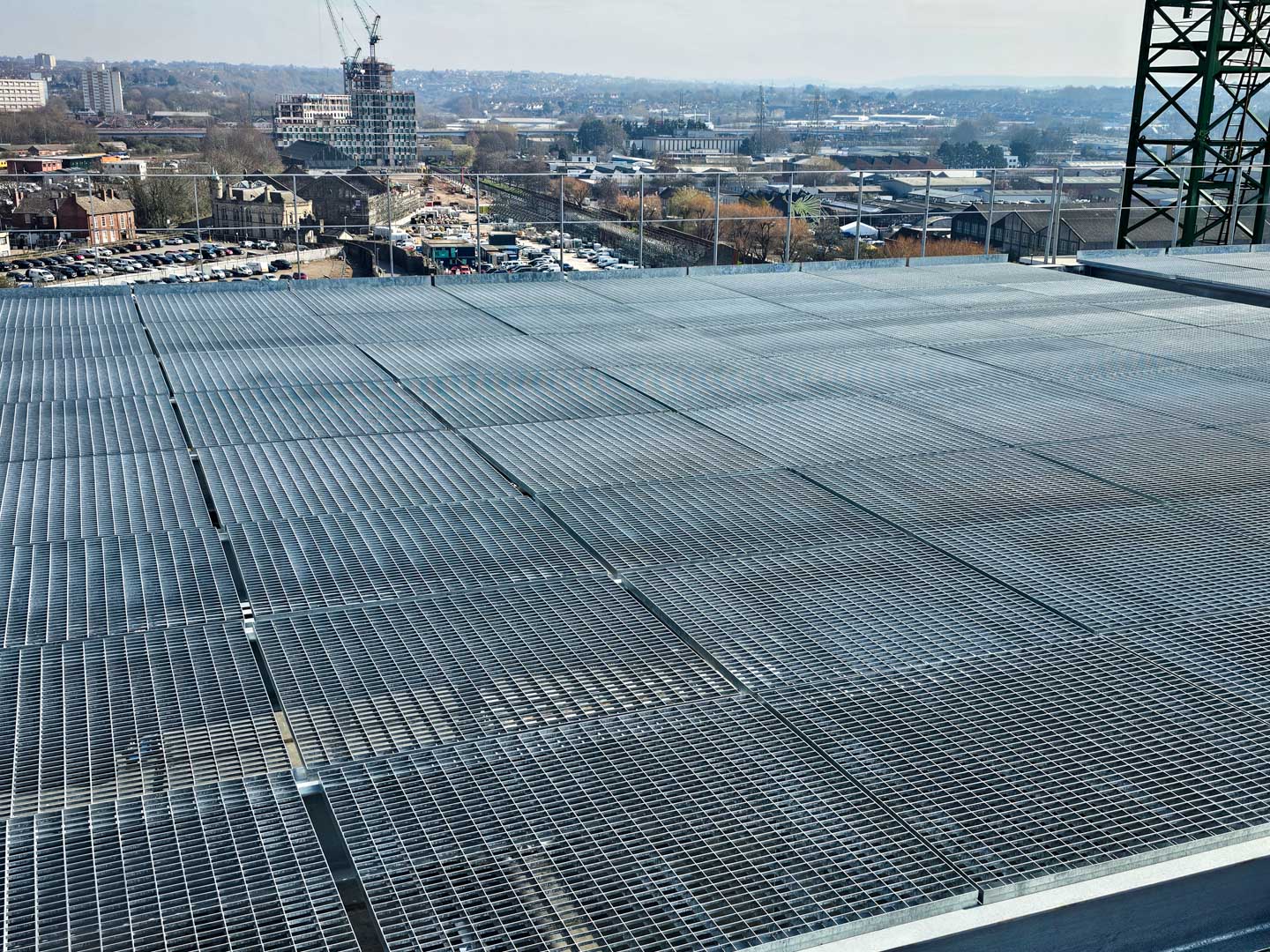
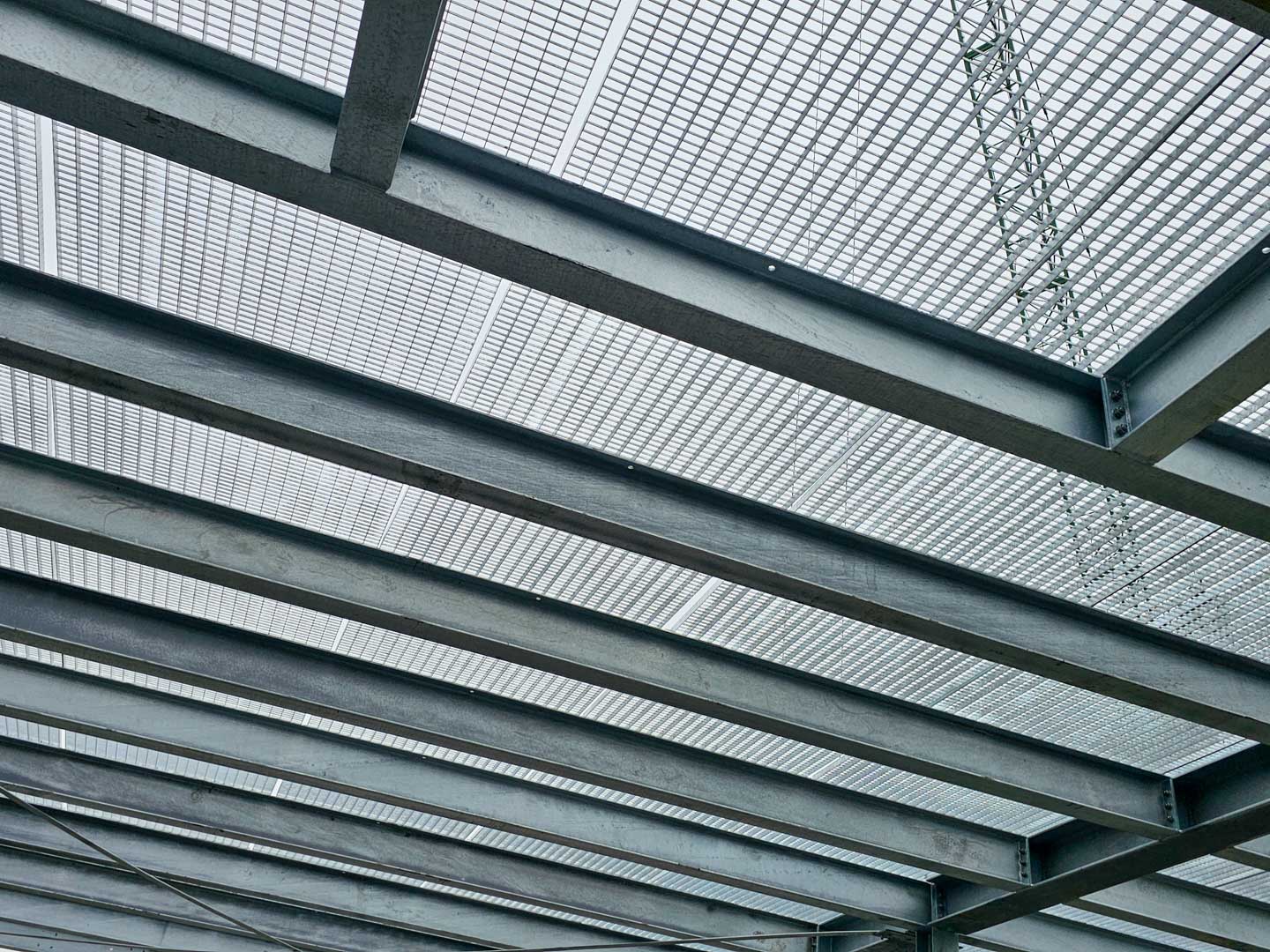
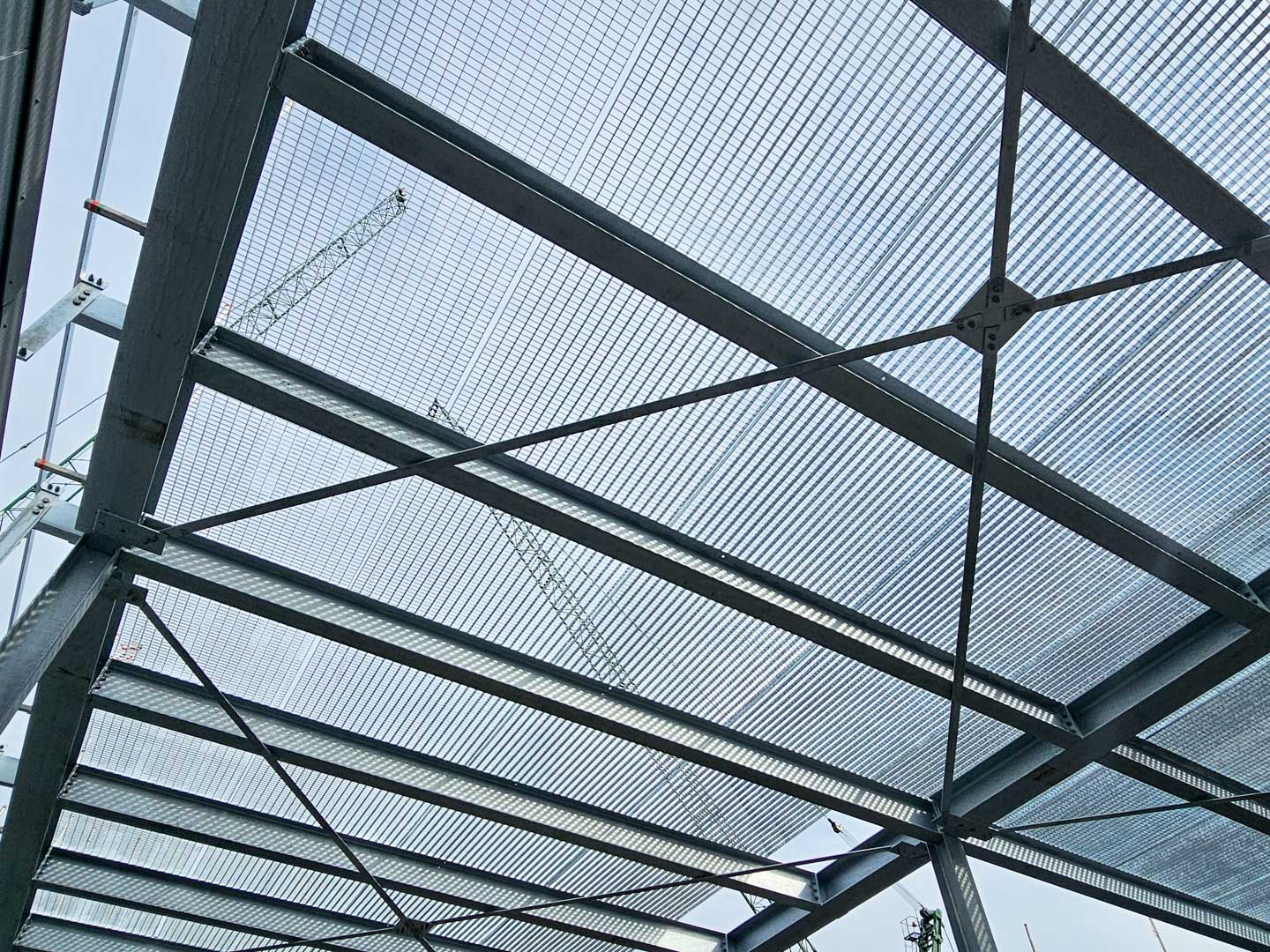
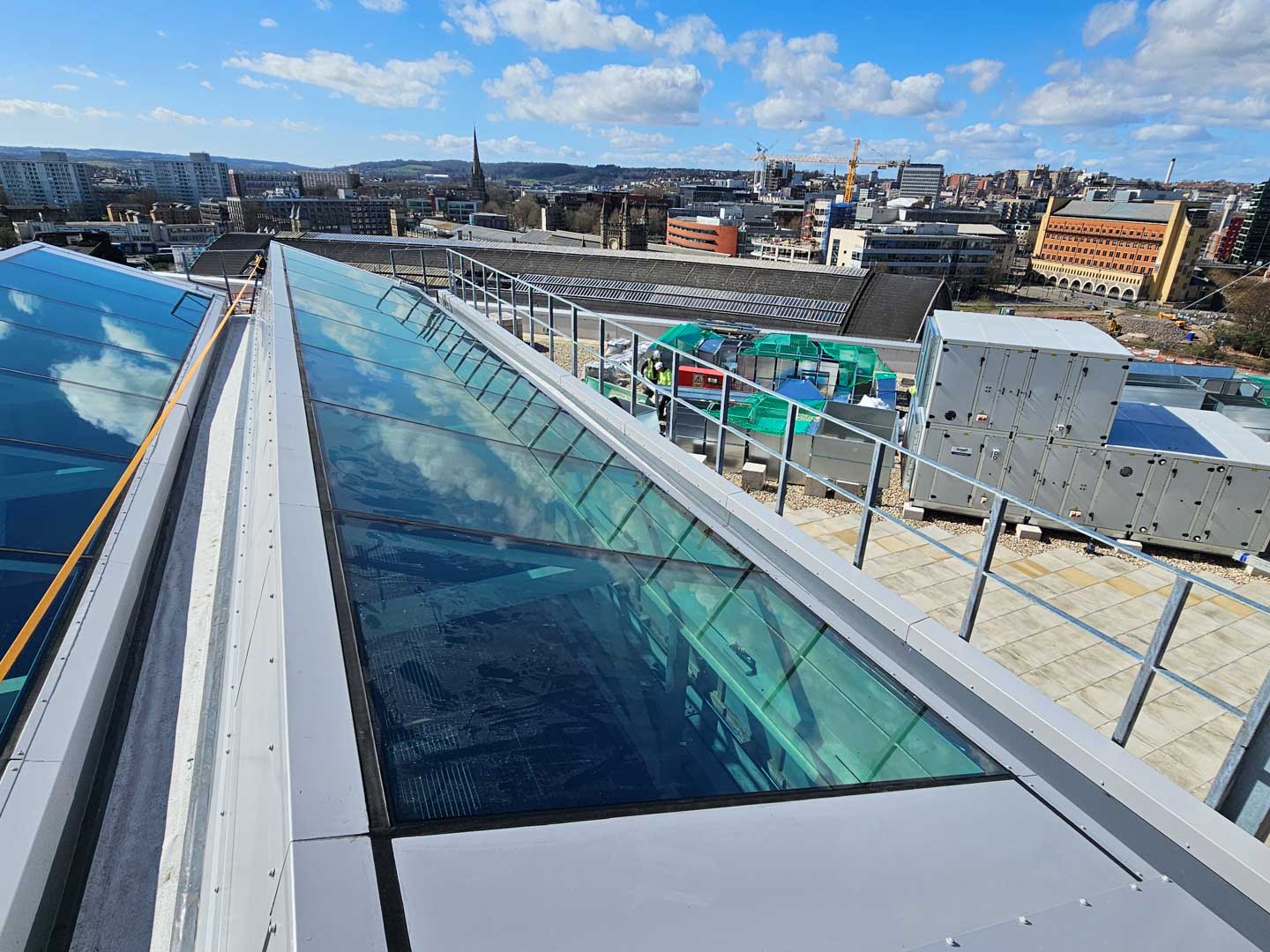
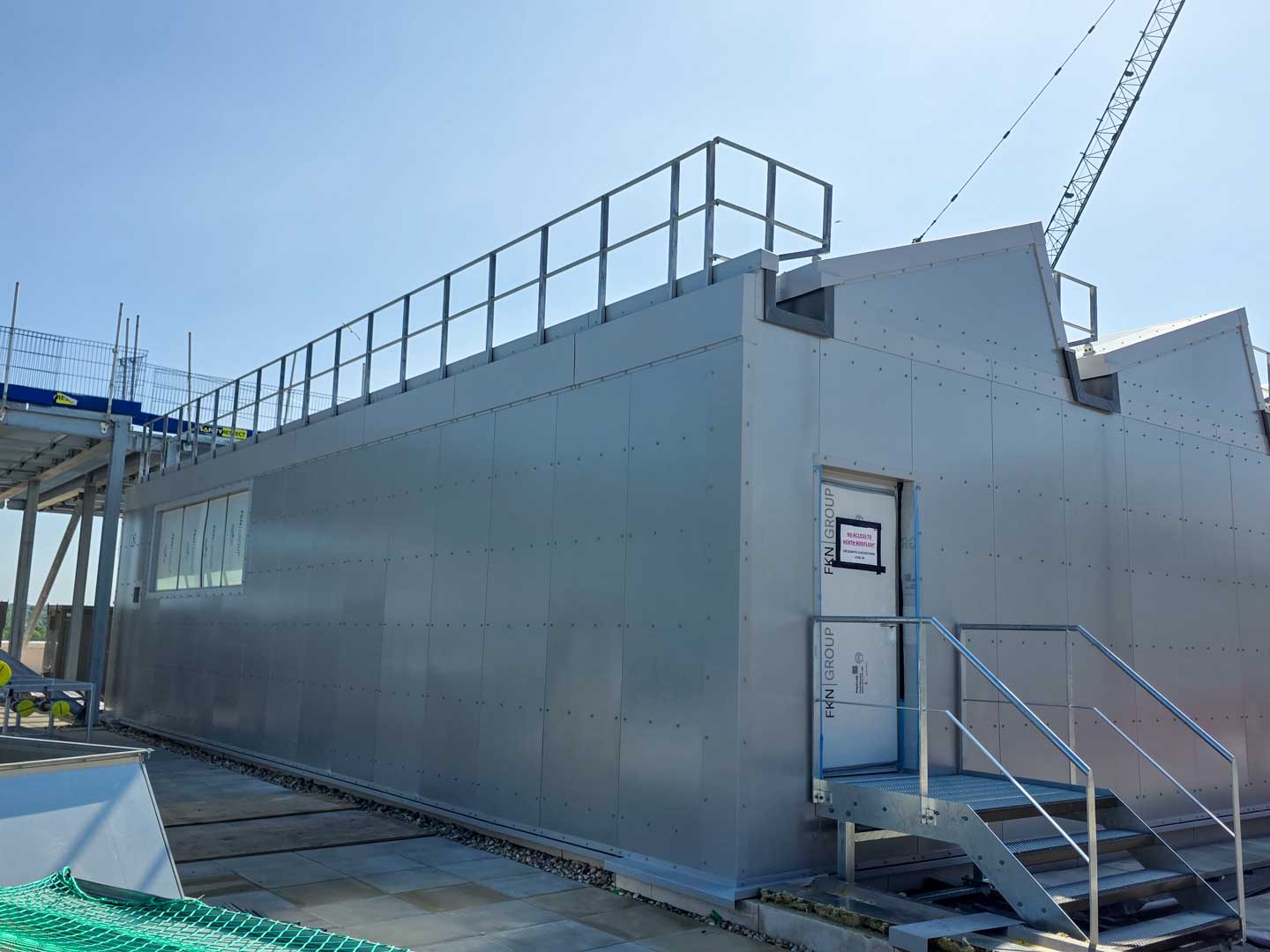
A structured, end-to-end installation plan for hot-rolled
steel framing, gratings, separators and balustrade systems ensures every
phase — from pre-installation planning through to final handover — is carried
out safely, accurately and in accordance with the project specification and
regulatory requirements. This plan covers site preparation, lifting and
erection methodology, fixing and alignment tolerances, structural elements and
bolting checks, corrosion protection applied in situ, commissioning and client
handover.
We cover the following related services:
Pre-Installation
Phase
1.
Project Assessment & Site Survey
o Review
architectural, structural and detail drawings, shop drawings and installation
drawings to confirm fixing locations, anchor detail, penetrations and
interfaces with adjacent trades.
o Carry out a
full site survey to verify opening sizes, bearing conditions, clearance
heights, temporary access routes and storage/laydown areas. Record site levels,
edge conditions and points for temporary plant.
o Identify
structural nodes, primary support beams, concrete pads, or slab zones suitable
for anchor and restraint loads. Where required, commission a structural
engineer’s check of anchor load paths.
2. Design
Coordination & Installation Interface
o Coordinate
with structural engineers, principal contractor and adjacent trades (cladding,
M&E, roofing, glazing, facade support) to confirm sequence, tolerances, and
interface details (movement joints, thermal breaks, fire barriers, facade
seals).
o Confirm
fixing types, hole sizes, anchor embedment depths and torque values with the
structural engineer and in accordance with the project technical specification
and relevant British/European standards.
2. Safe
Systems of Work & Permits
o Prepare
project-specific RAMS covering lifting, working at height, hot works, manual
handling, edge protection and exclusion zones.
o Develop
detailed lift plans and method statements for each heavy or awkward lift.
Include slinging arrangements, centre-of-gravity checks and banksman/signaller
allocations. Obtain LEEA/LOLER documentation for the lifting equipment and accessories.
o Establish
emergency procedures and ensure that all crew members are trained and briefed
on best practices for handling and installing the systems.
3. Logistics
& Site Set-Up
o Identify
and prepare secure, weather-protected storage for steel sections, gratings and
balustrade components close to the workface. Limit on-structure storage to
minimise additional load.
o Plan JIT
delivery windows to minimise handling and protect finished surfaces.
o Set
temporary welfare, tool storage and plant marshalling area with safe pedestrian
segregation from lifting operations.
Installation
Phase
1. Site
Preparation & Temporary Works
o Install
edge protection or coordinate with the client for any temporary works
requirements, such as handrails or catch nets around the work area, before any
personnel access to the structure.
o Prepare
bearing pads, steel bearing plates or sole plates and check level/flatness
tolerances to the specified grade. Tack-bolt primary members in a temporary
position for final alignment.
o If
temporary propping or shores are required during erection, install according to
the temporary works engineer's instructions.
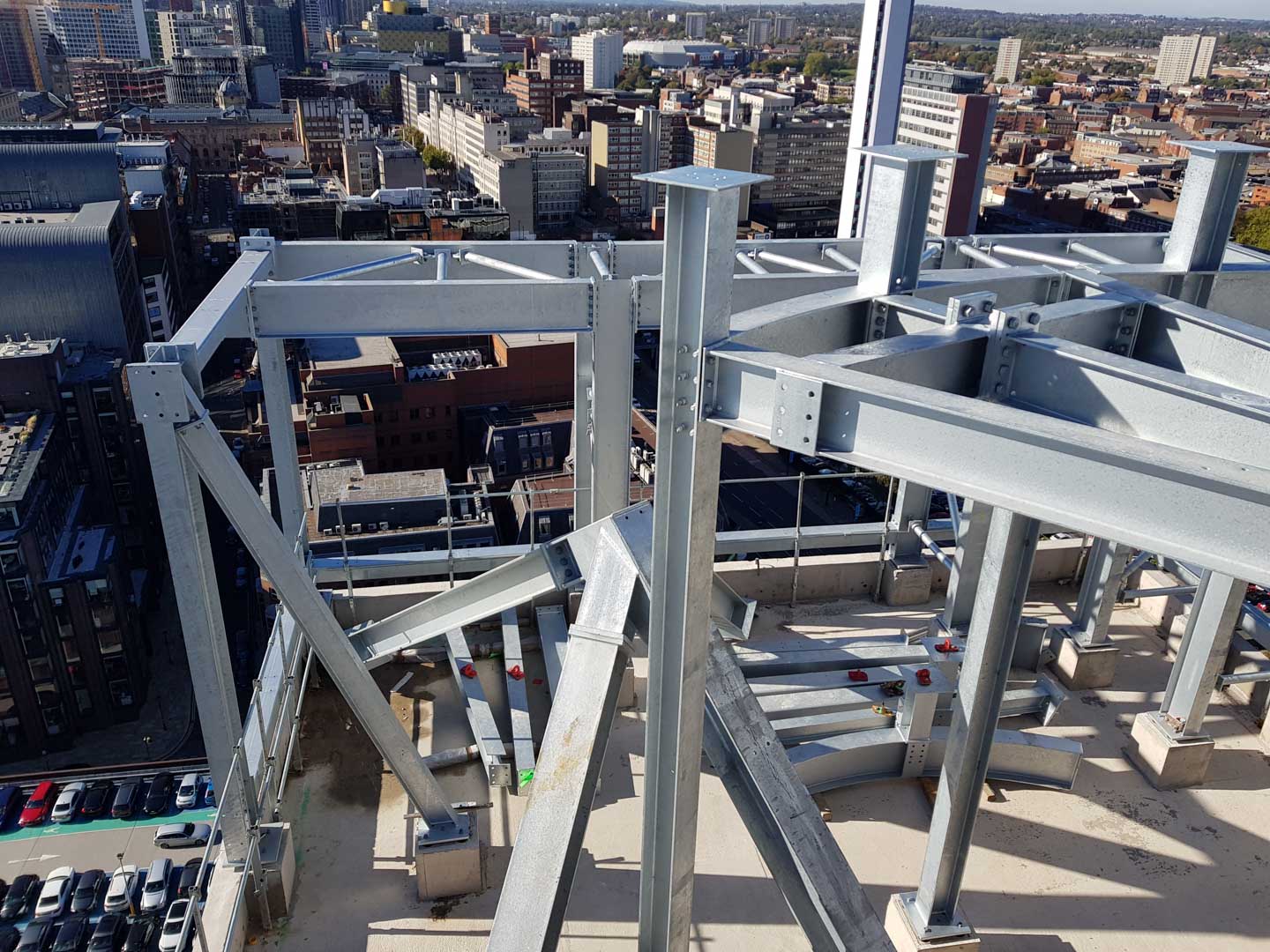
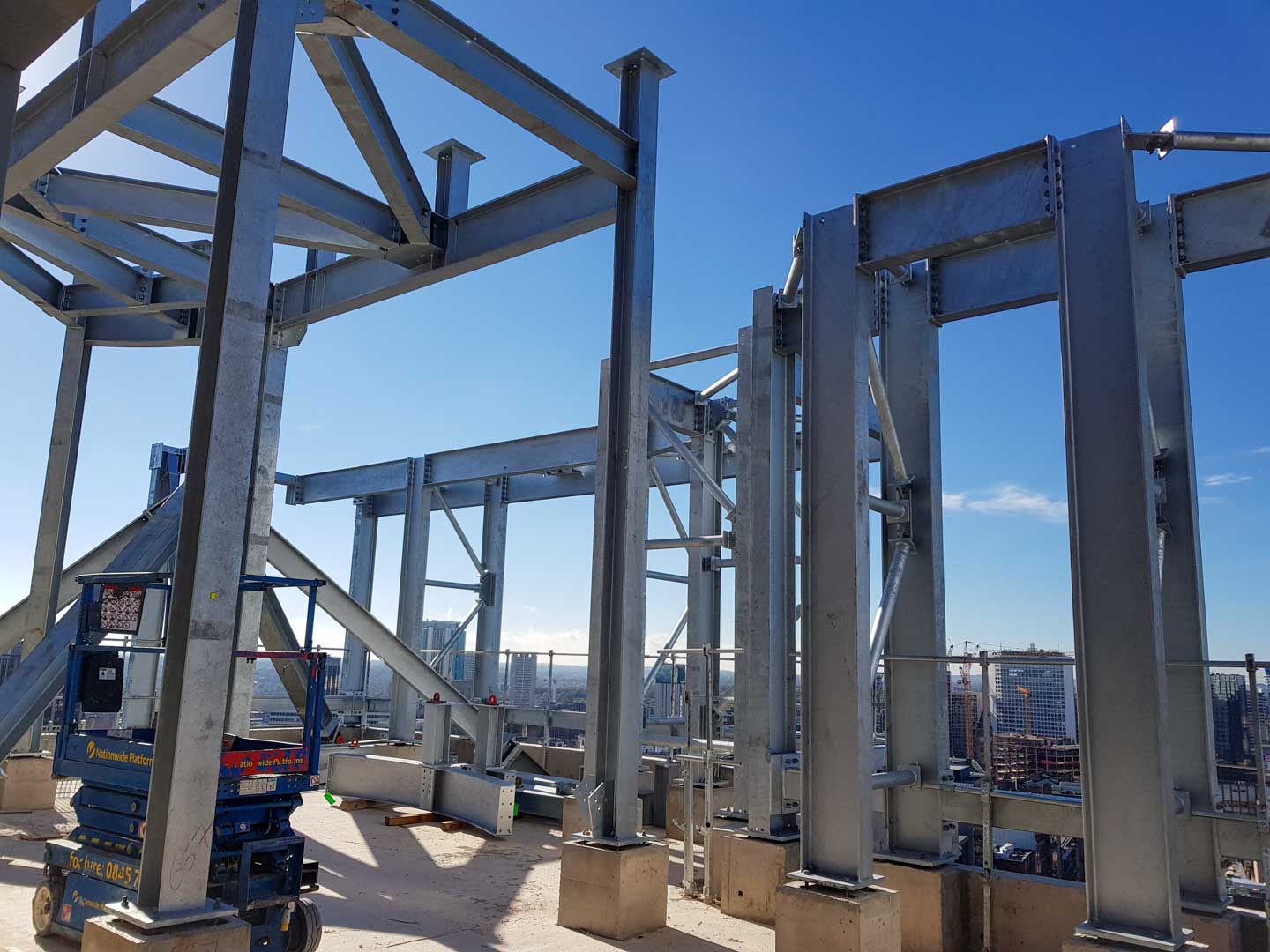
2. Erection of
Hot-Rolled Steel Framing (Primary & Secondary)
o Sequence
erection from primary supports outward to secondary members to preserve
structural stability and site access. Typical sequence: main beams → secondary
purlins/girts → connection plates → fixings.
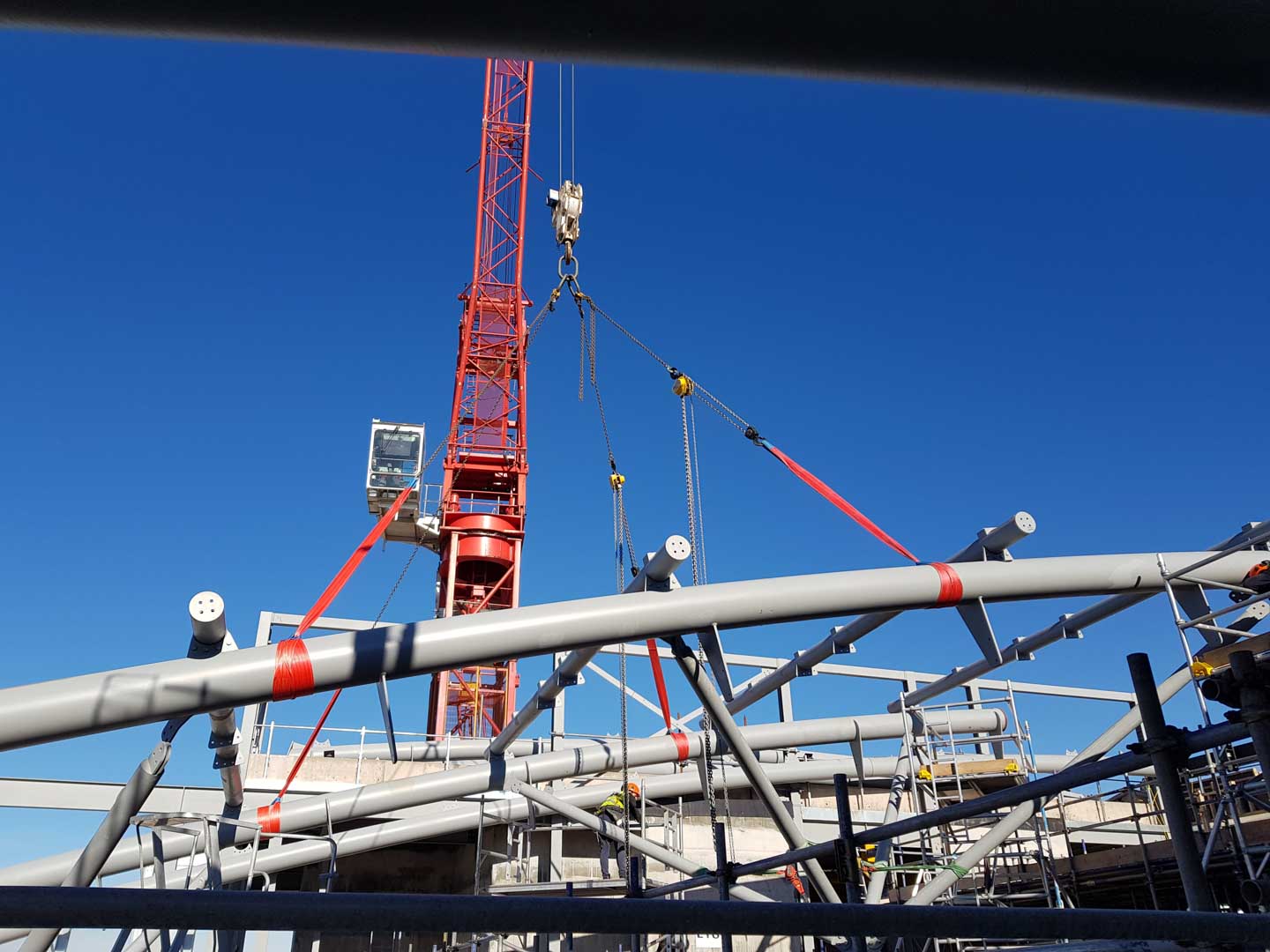
o Use
certified lifting gear (slings, shackles, spreader beams) sized to the loads
and in line with method statements. Ensure competent slinger/signaller controls
lifts; maintain exclusion zone under suspended loads.
o Position
members, align and hold with temporary restraints. Ensure correct orientation
of camber and web direction. Use jacks or temporary props to obtain the final
datum level where required.
o Execute
bolted connections with correct washer orientation and torqueing sequence.
Hold-down bolts and anchor bolts to be torque-tested and recorded. For slotted
bolt holes, use specified shims to centre connections.
o Temporary
bracing to be left in place until permanent bracing is fully installed and
verified.
3.
Installation of Gratings &
Separators
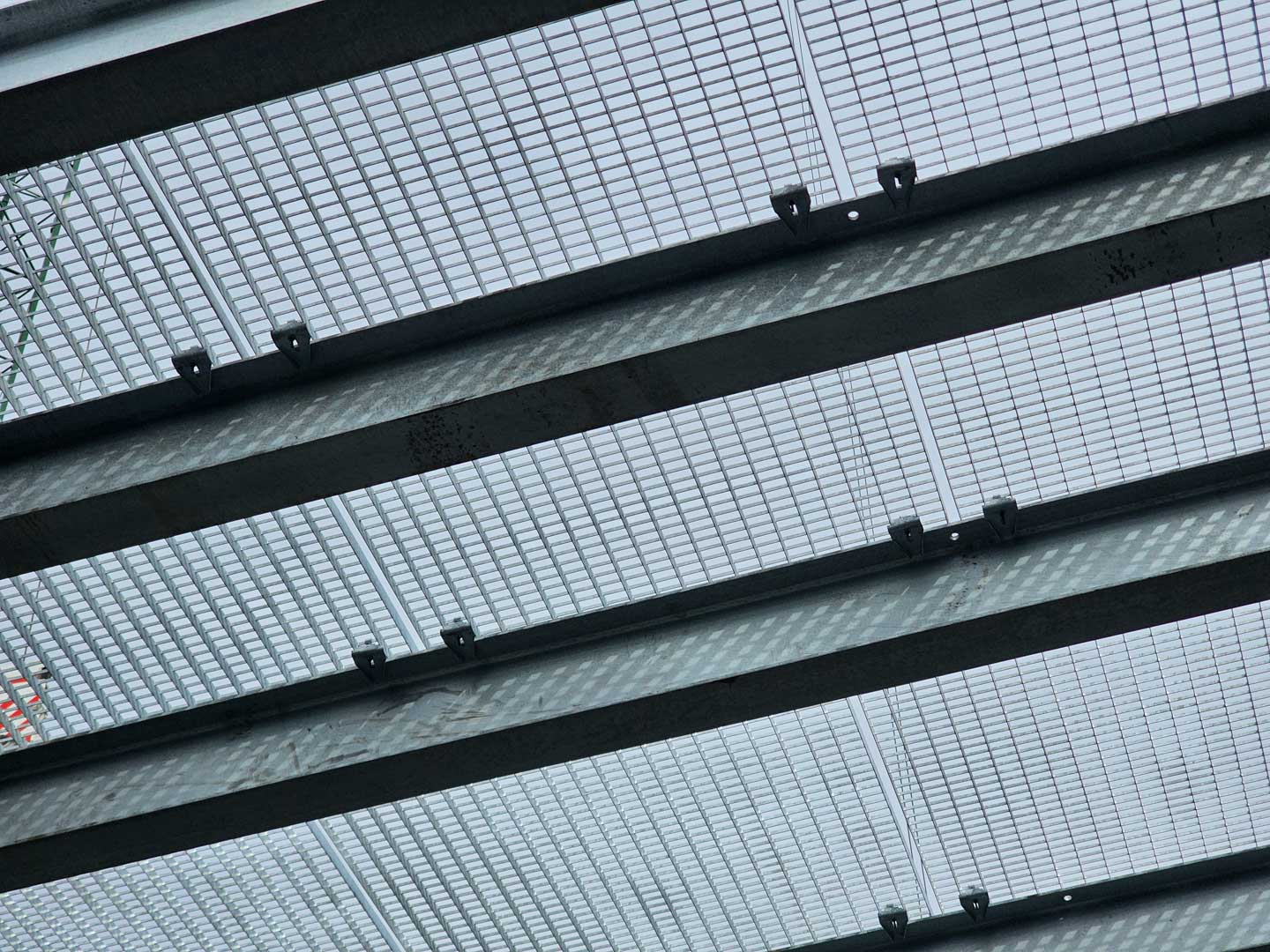
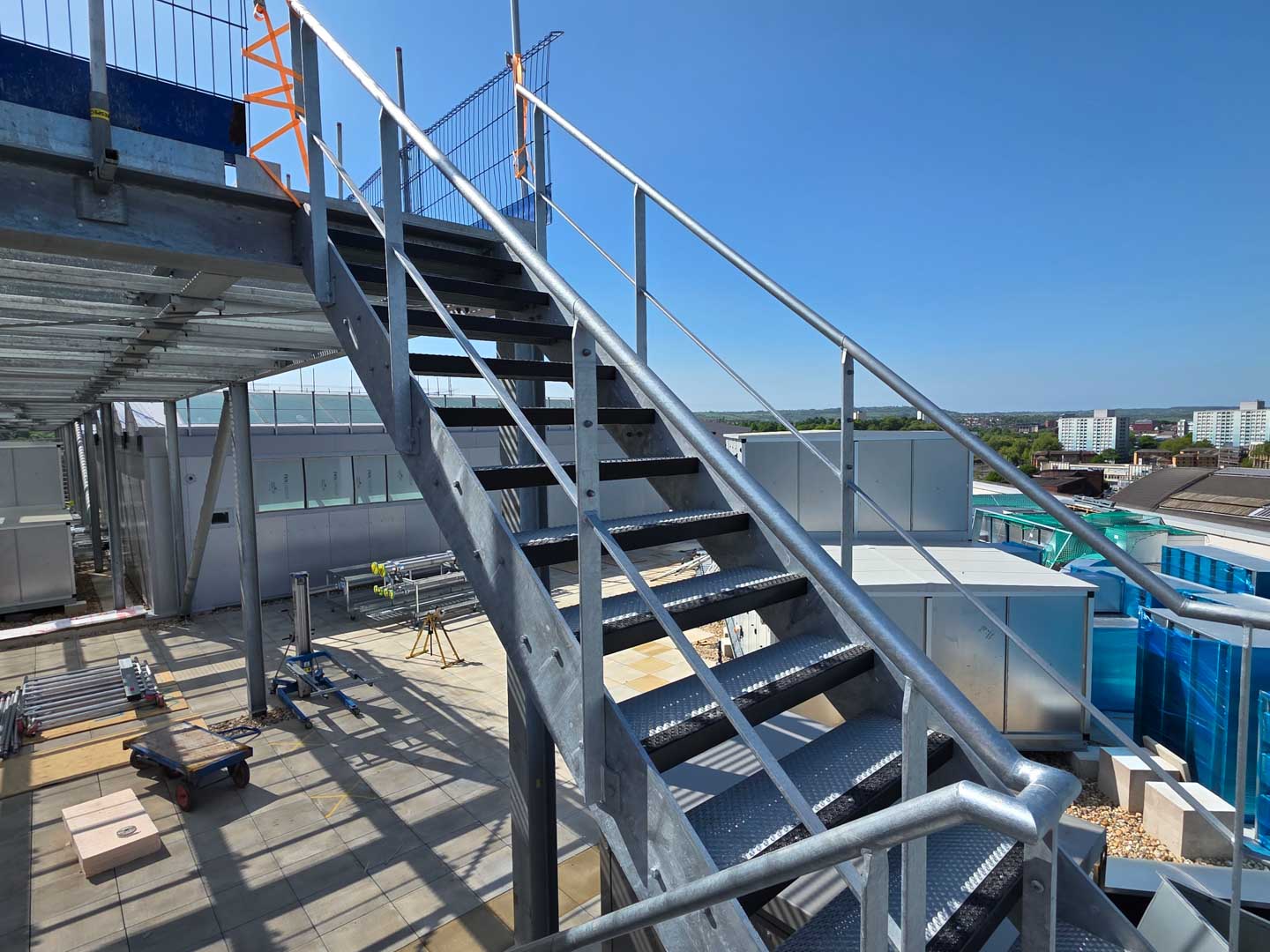
o Install
gratings on designed bearing points or support cleats; fix with clips, bolts or
welds as specified. Ensure adequate bearing length and use bearing pads where
required to prevent galvanic corrosion or point loading.
o Check
anti-slip surfaces and alignment for drainage slopes. Ensure gratings sit true
and do not rattle; apply locking clips or clips with sealant where required for
perimeter and access covers.
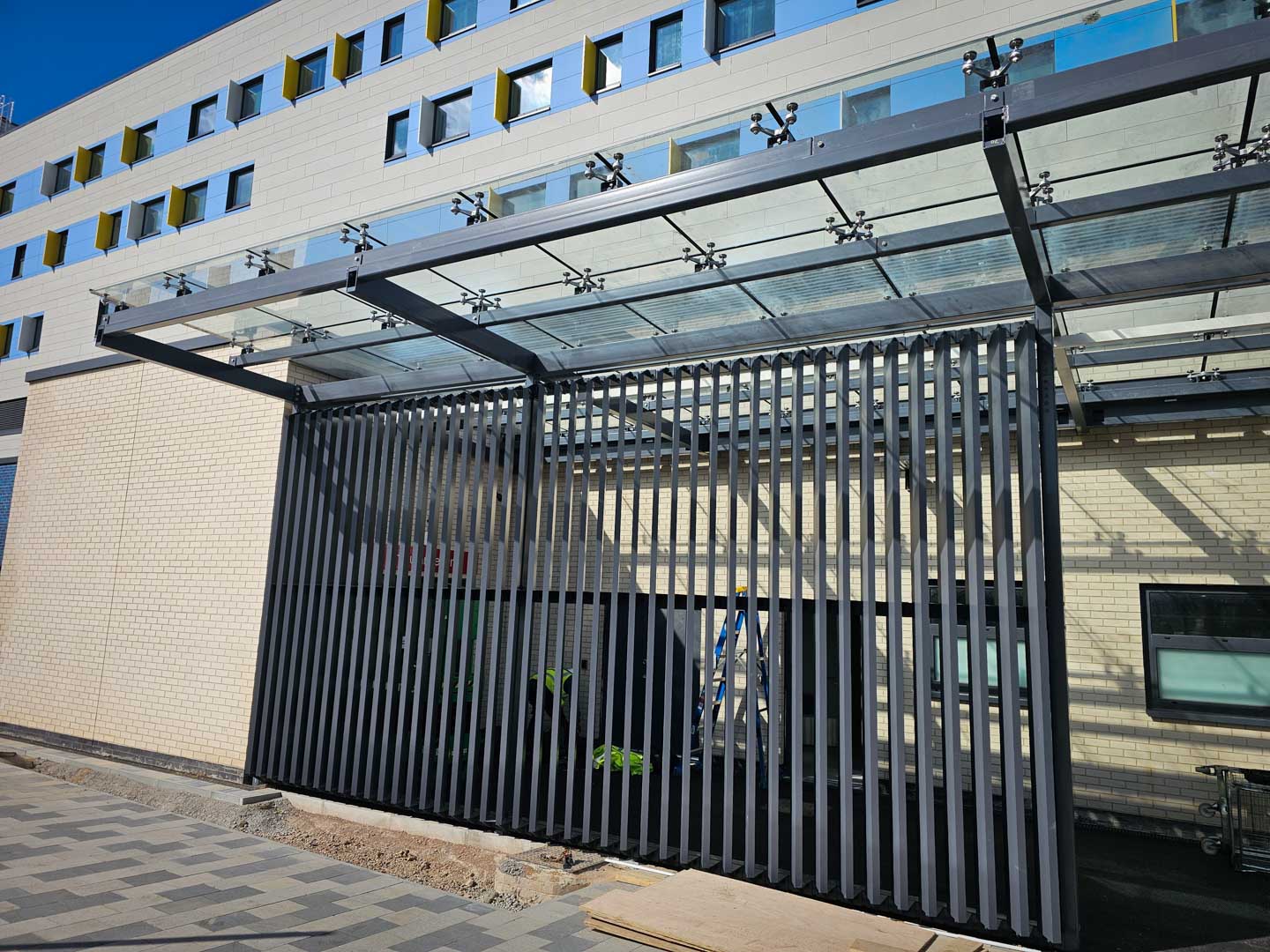
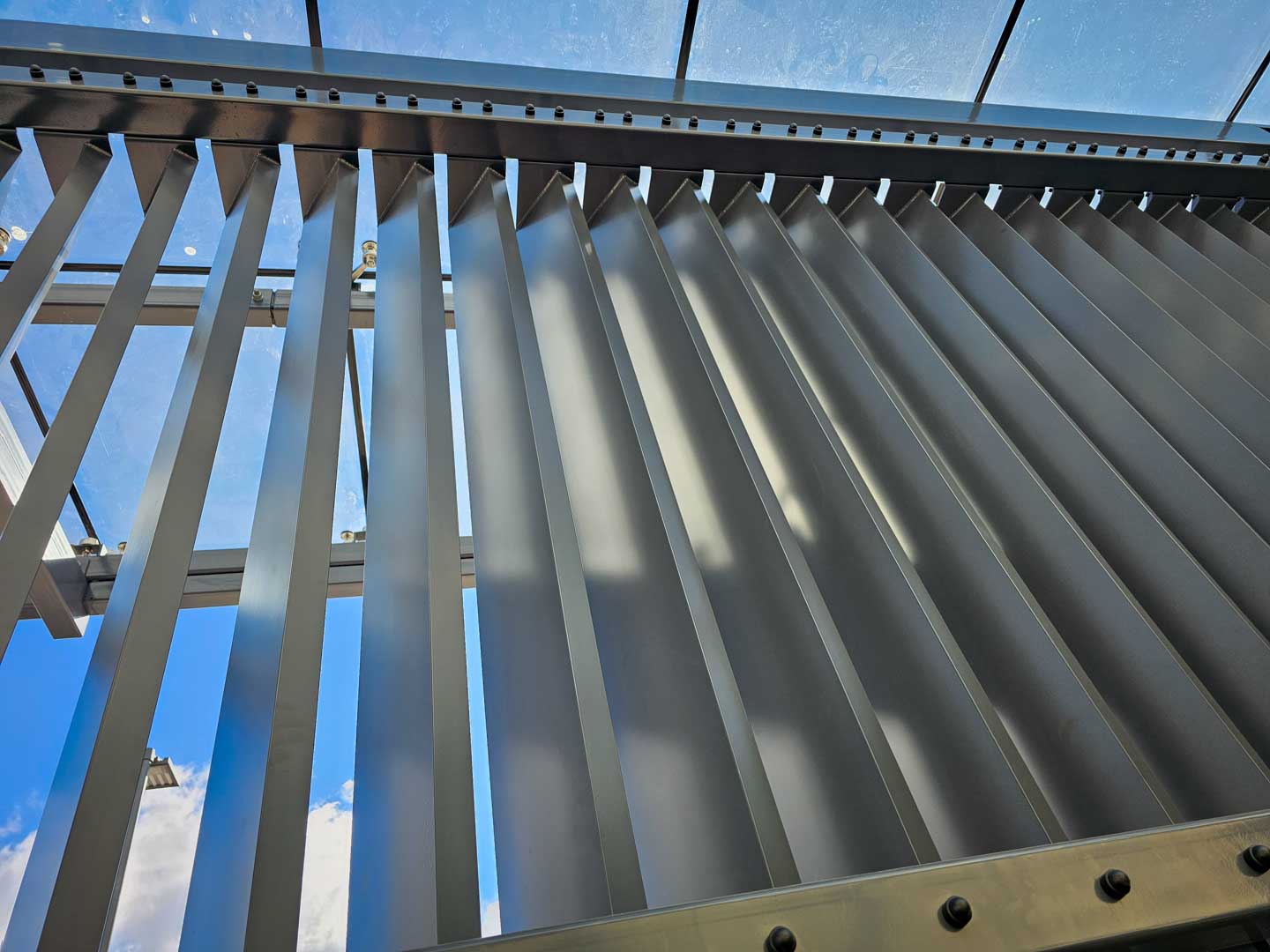
o Fit
separators, profiles or acoustic isolators per design, verifying positioning
relative to interfaces with doors, joints and service penetrations.
4.
Balustrade & Handrail
Installation
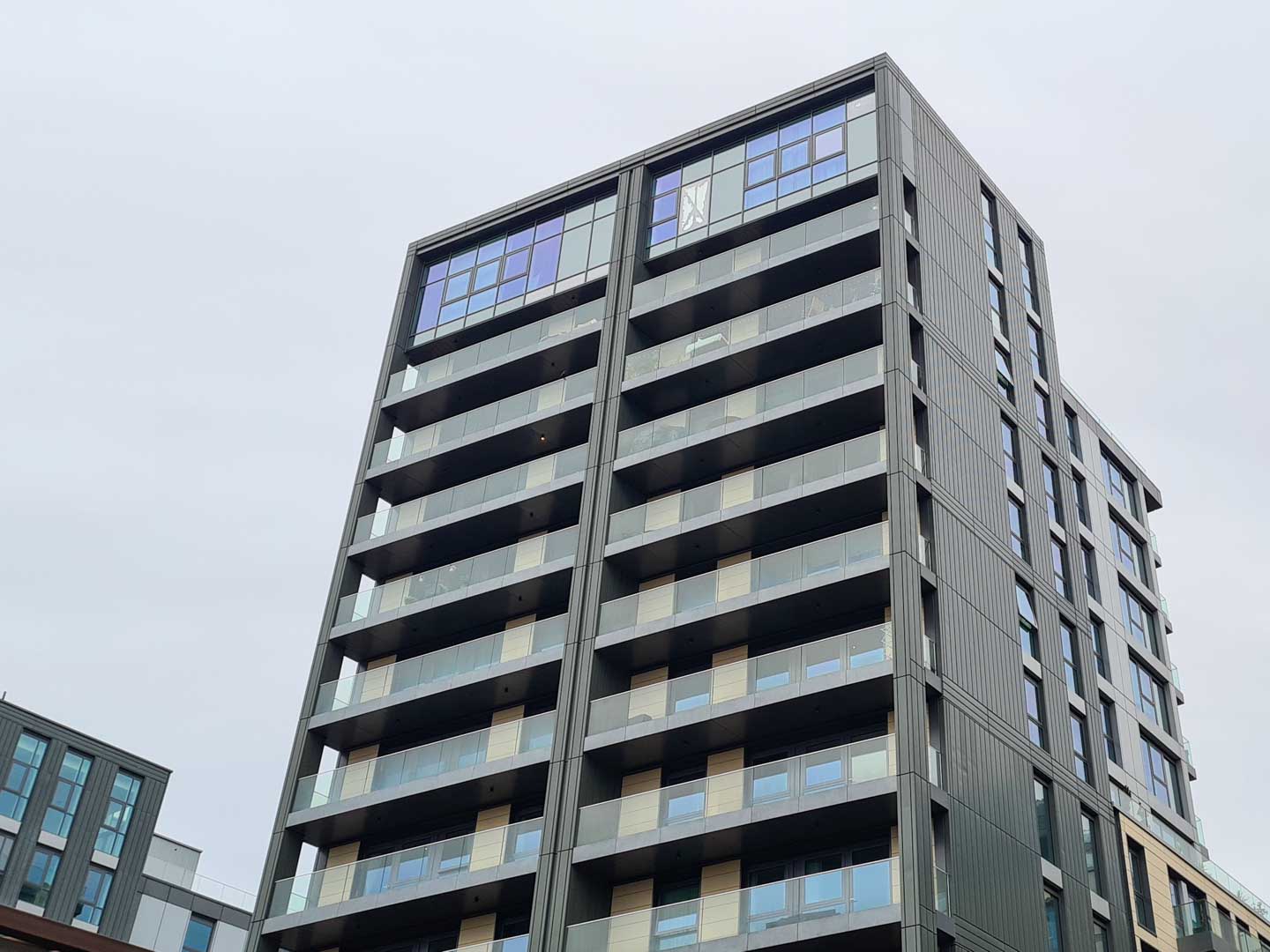
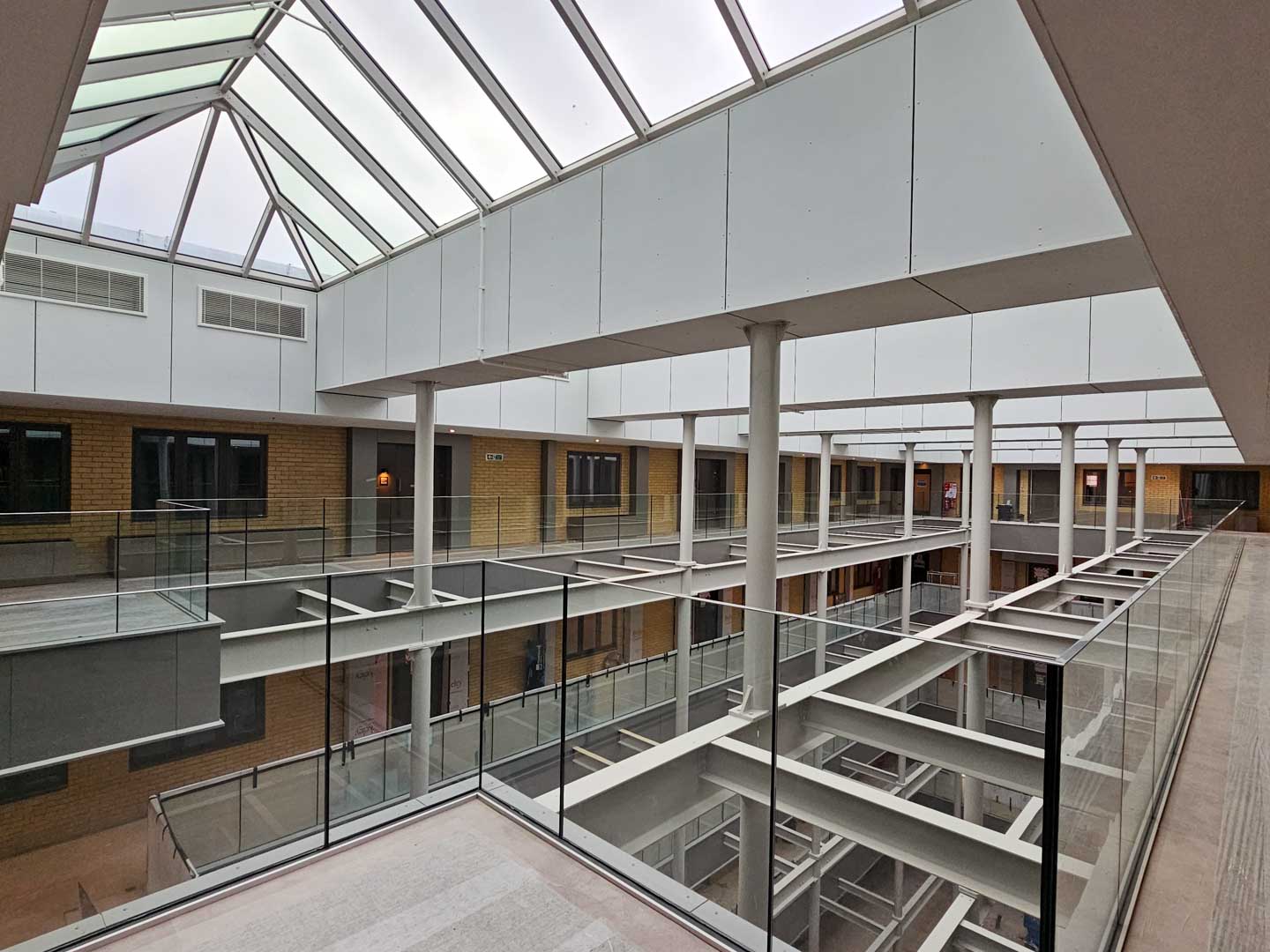
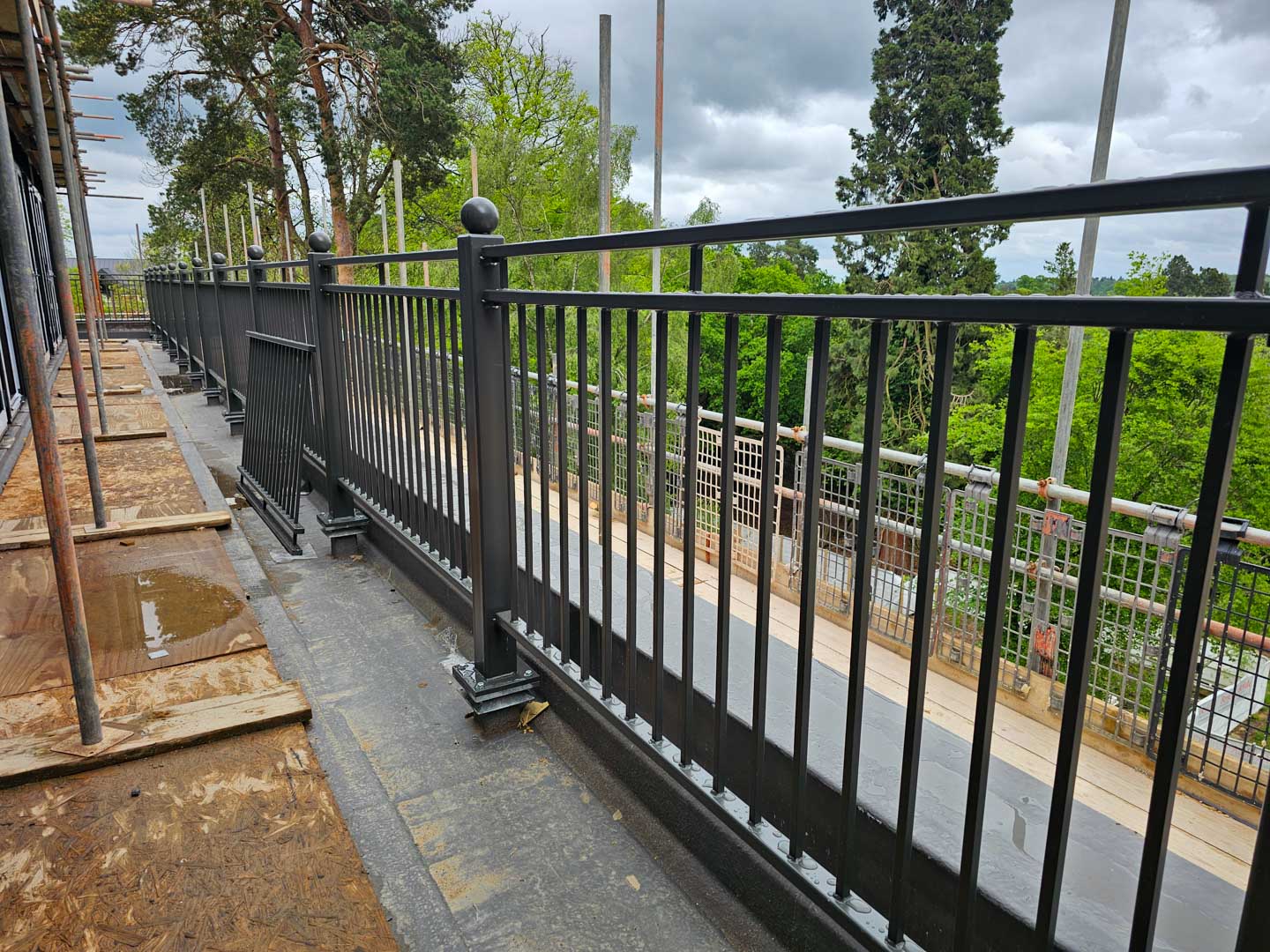
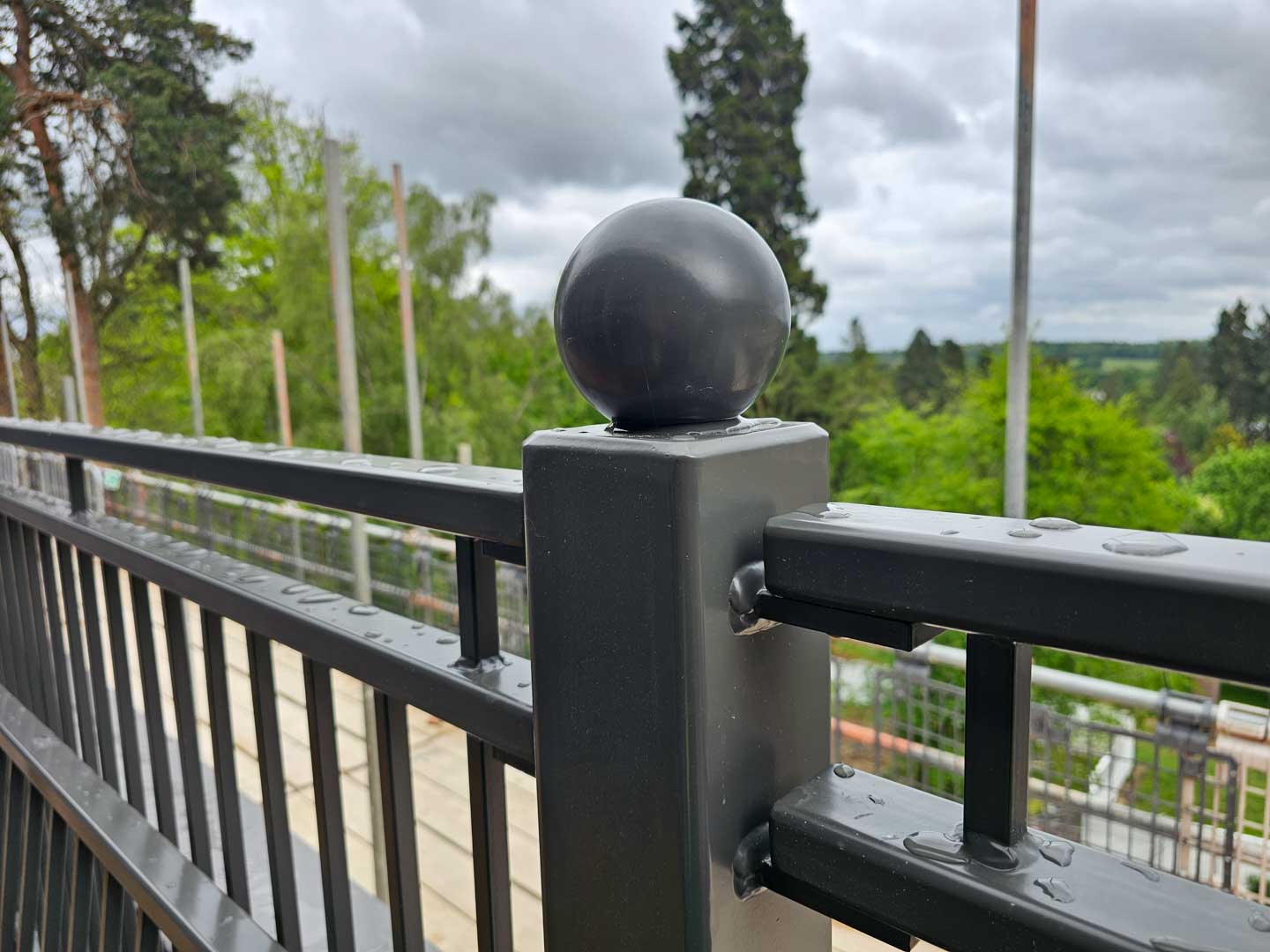
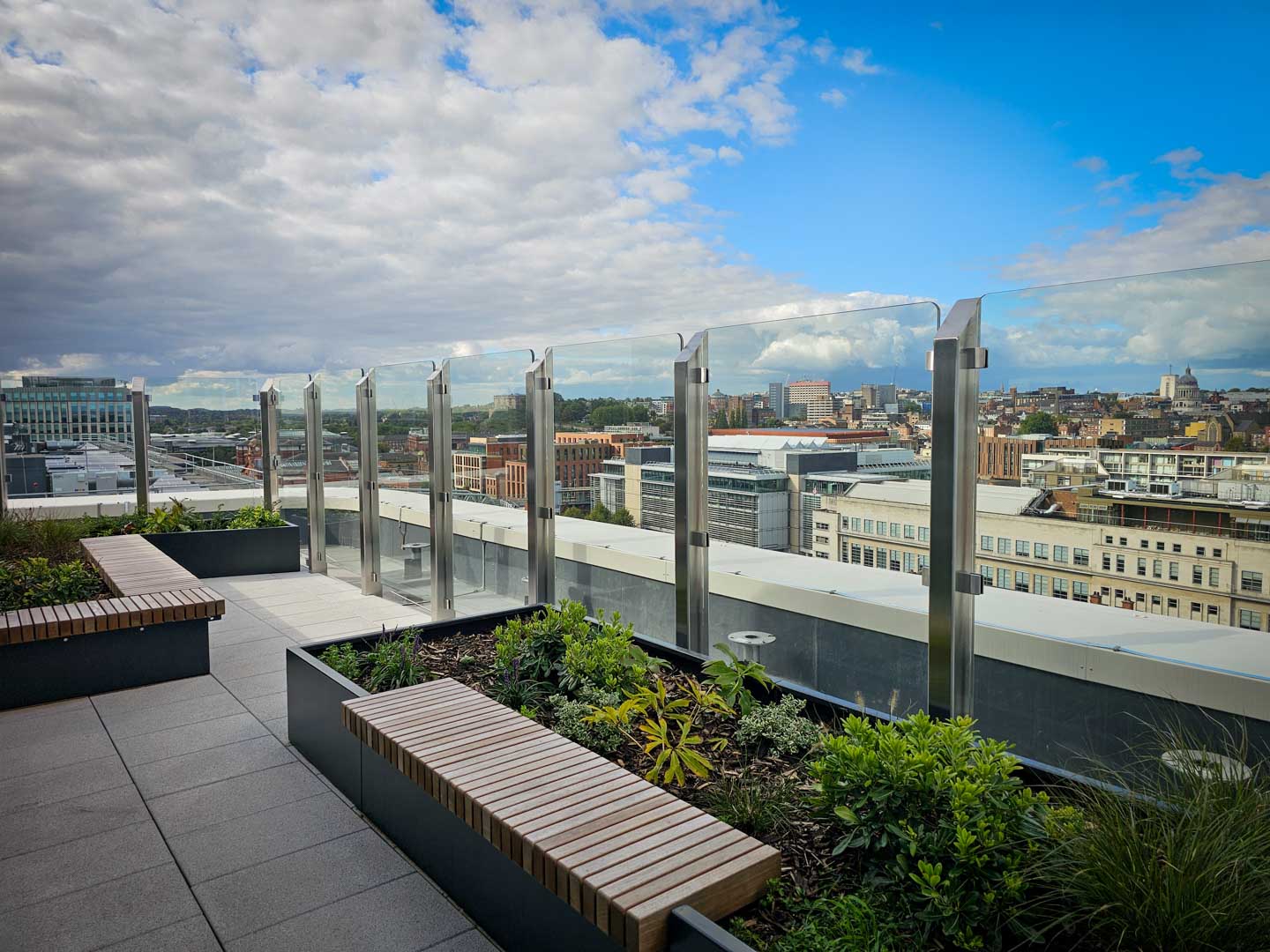
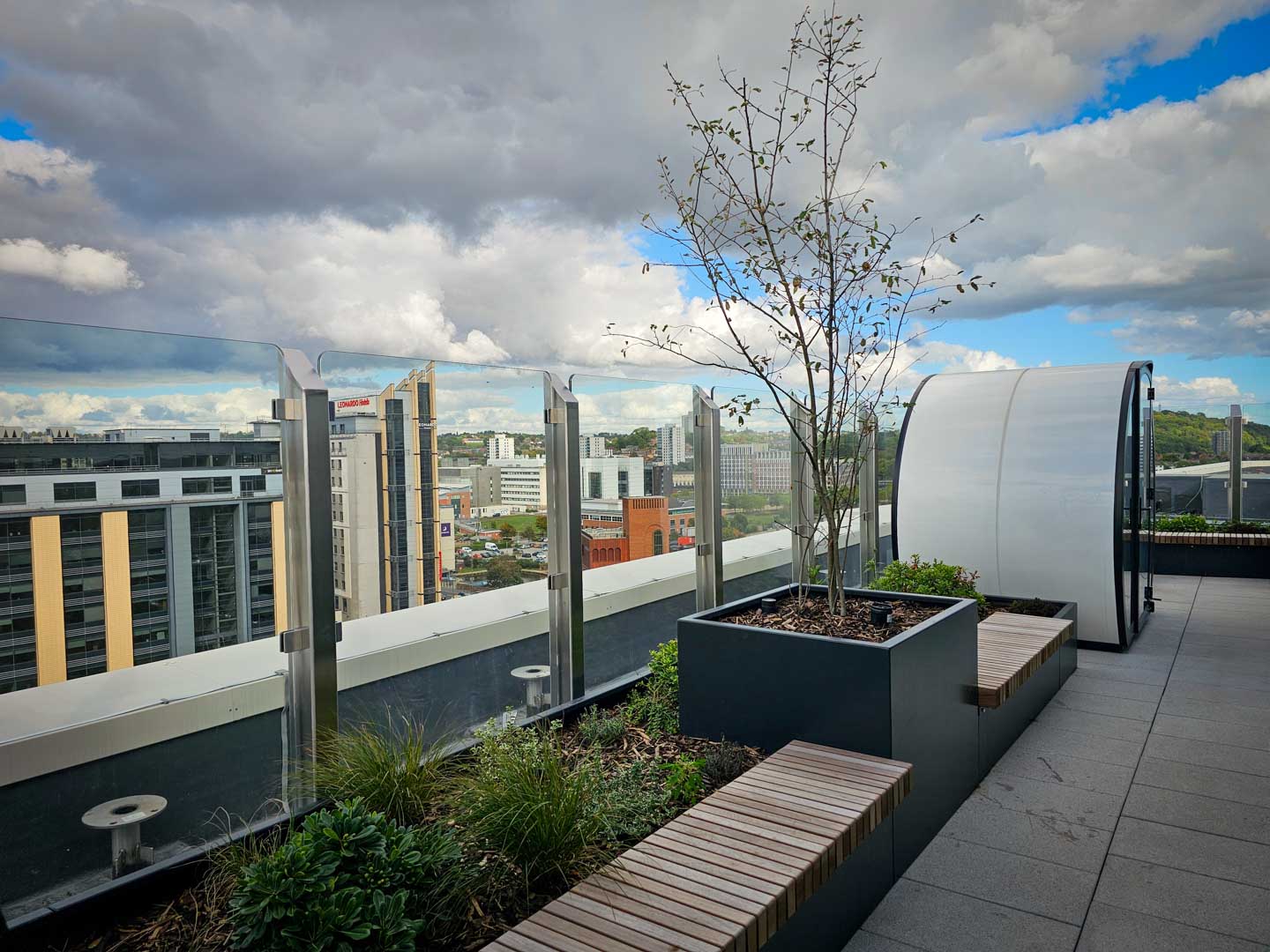
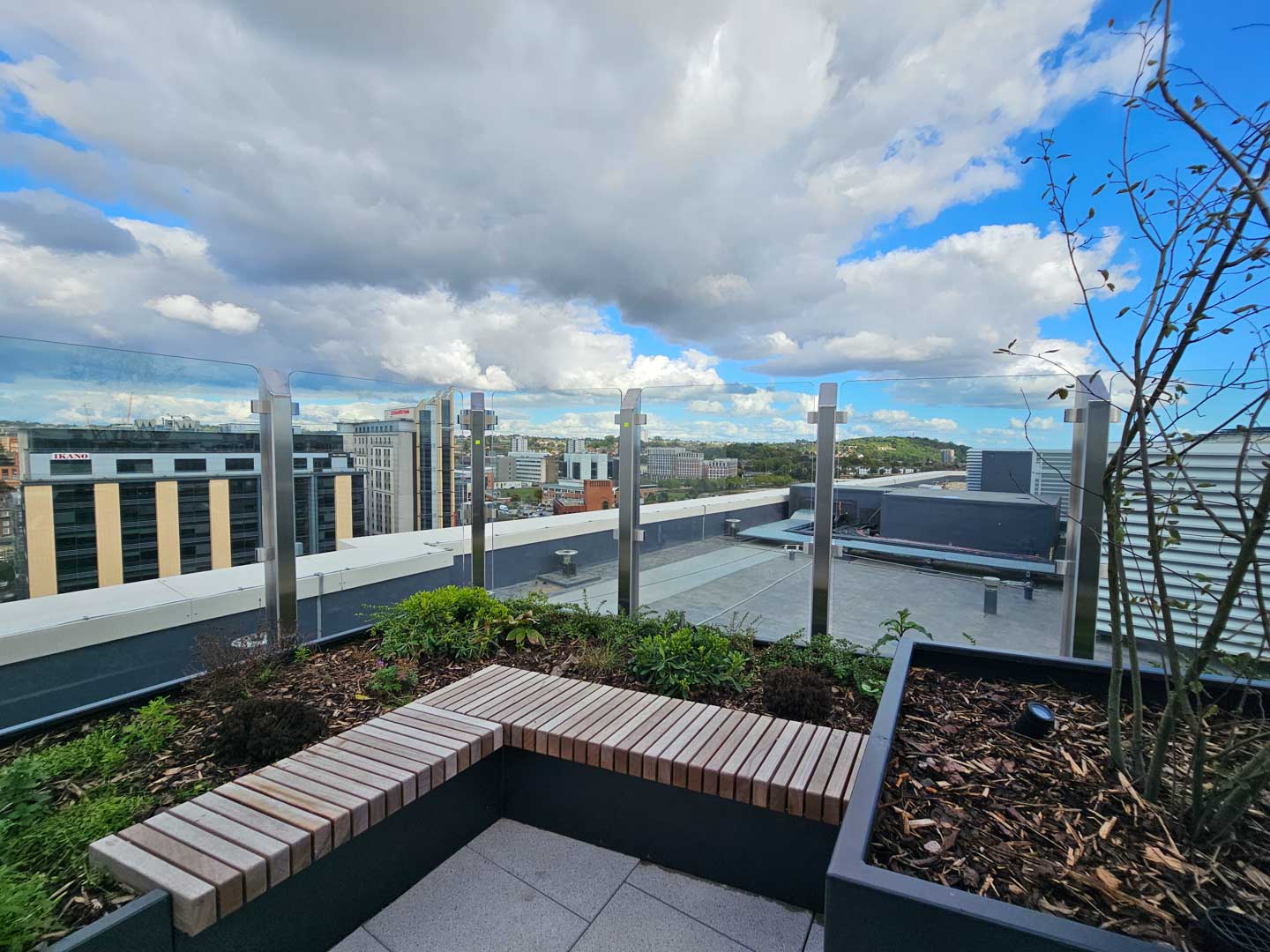
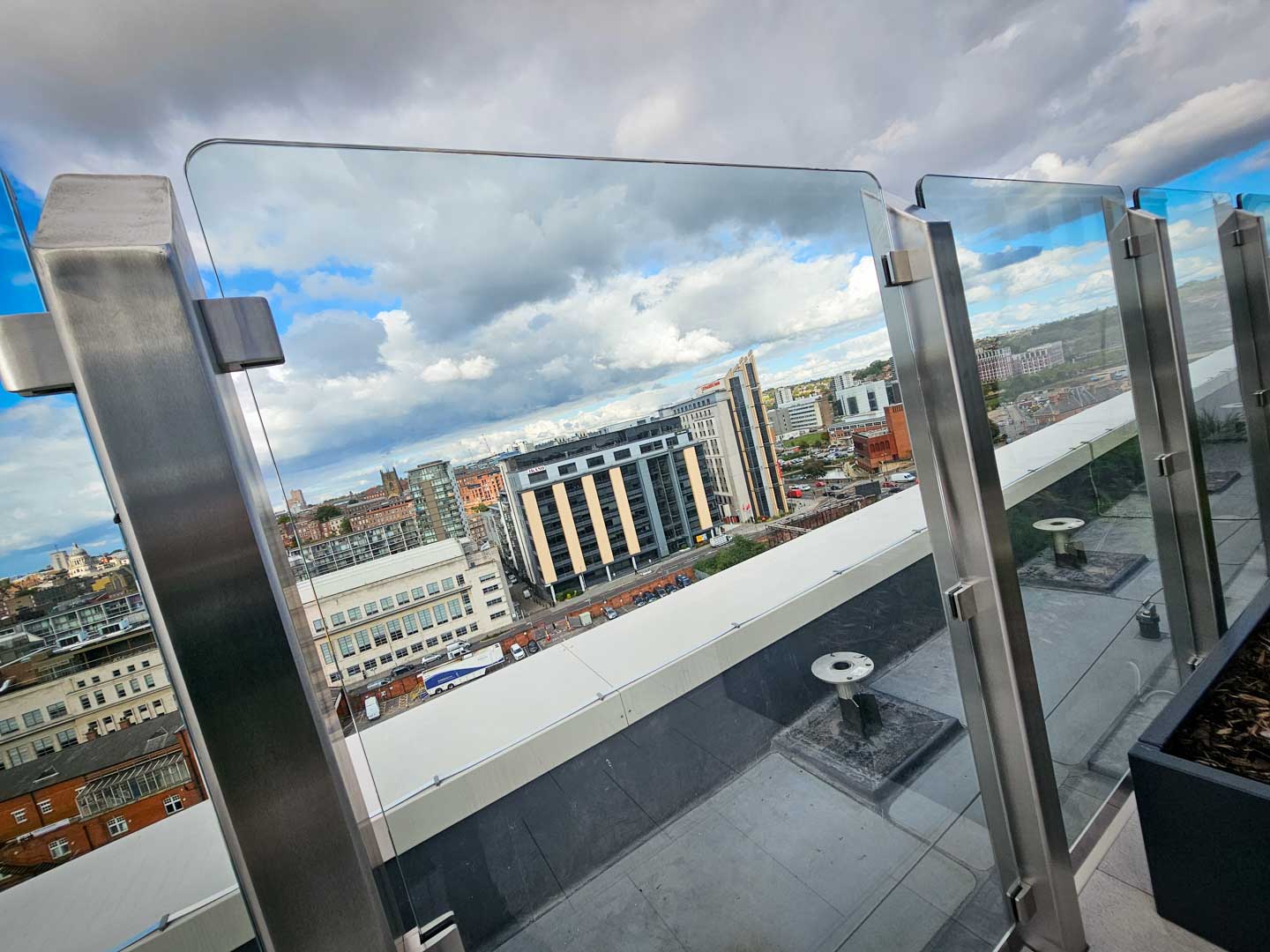
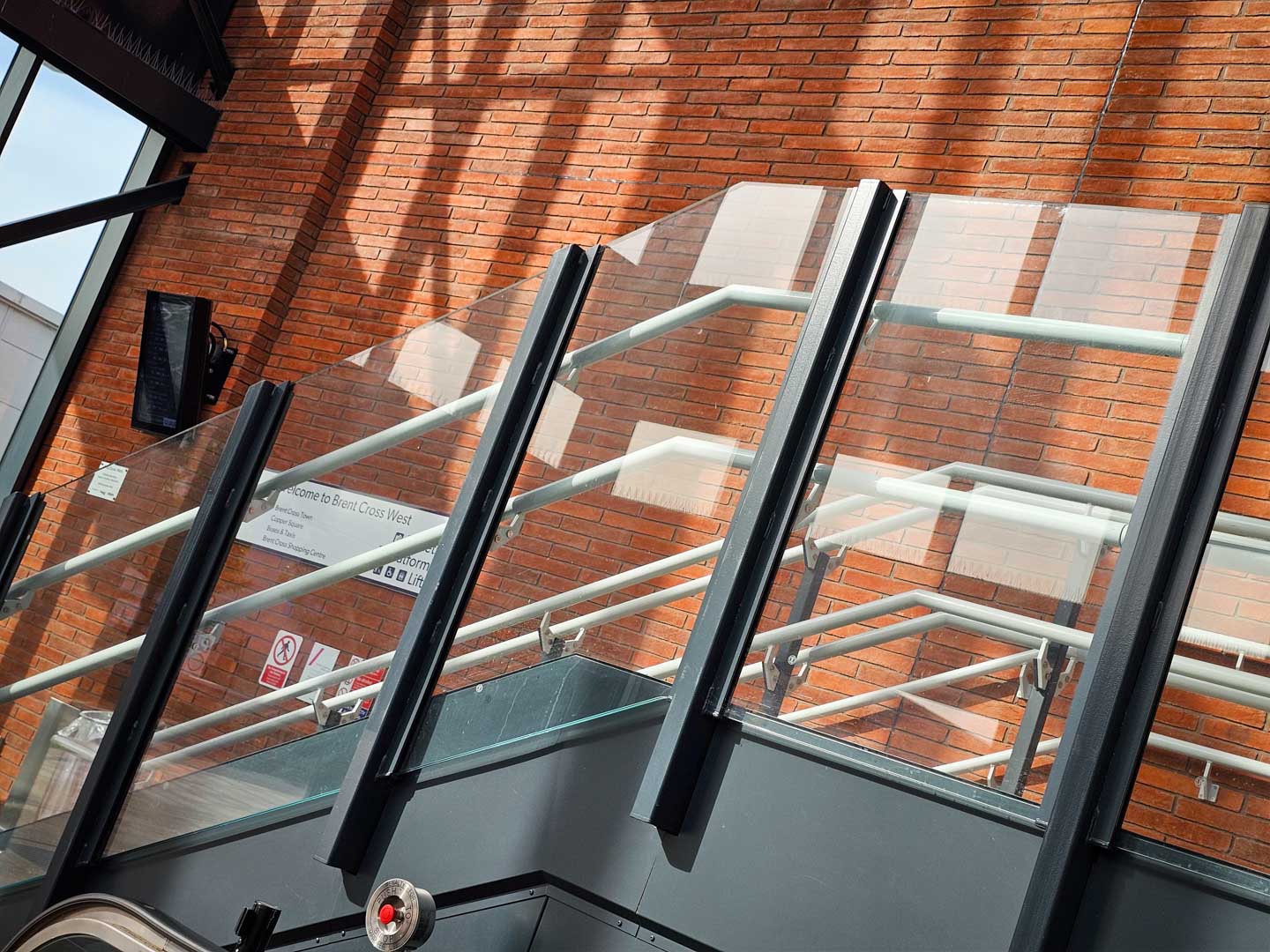
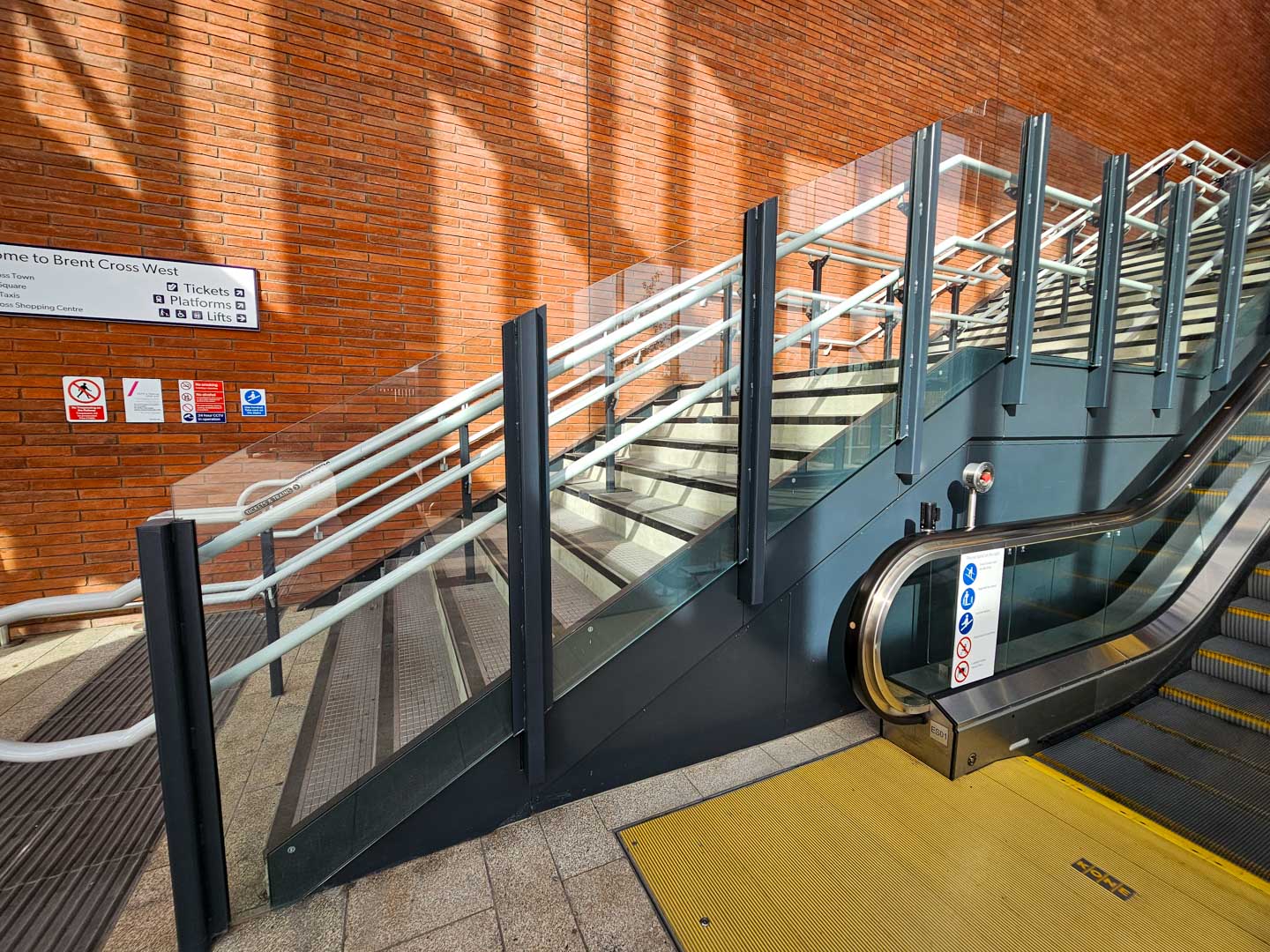
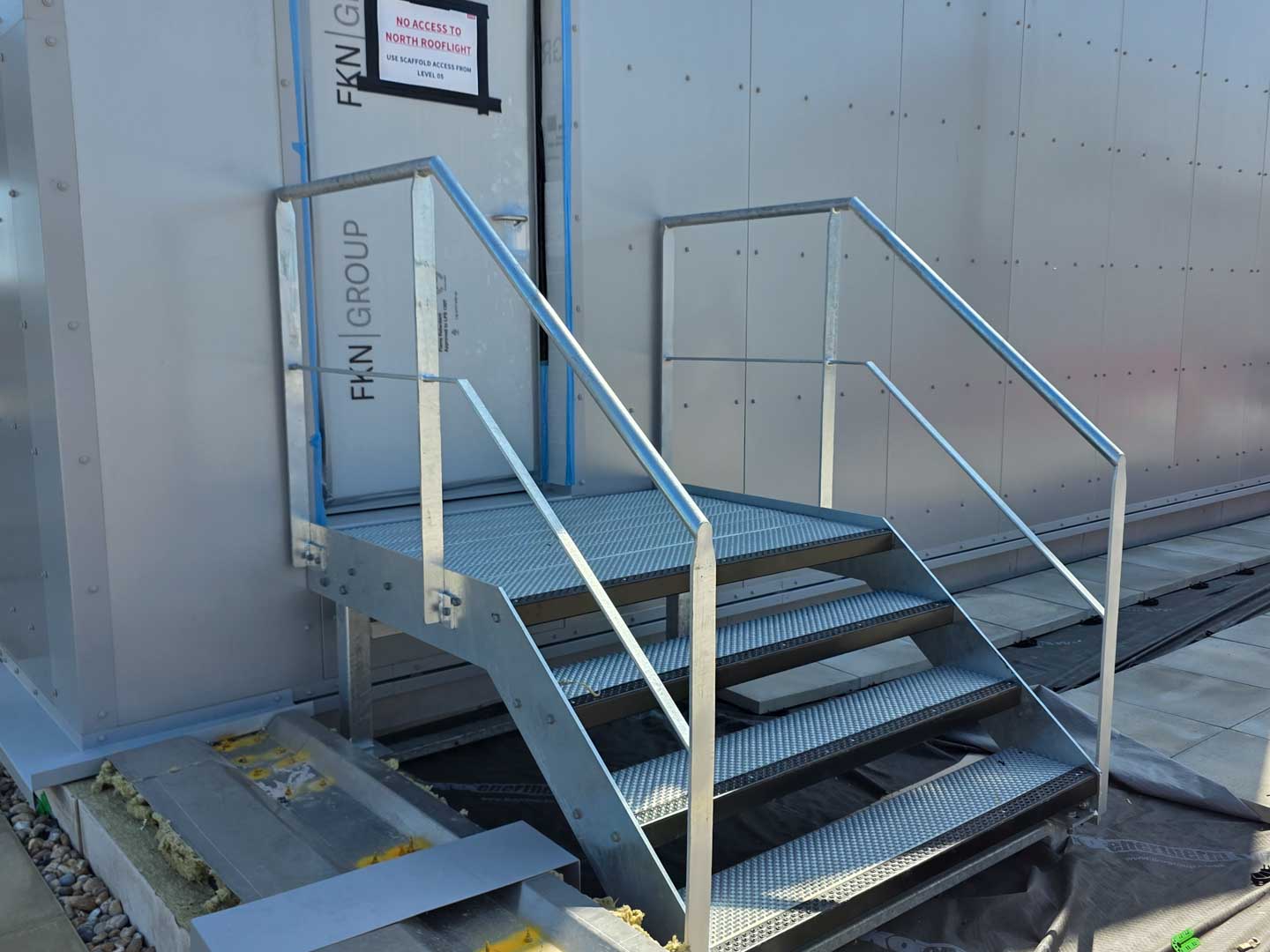
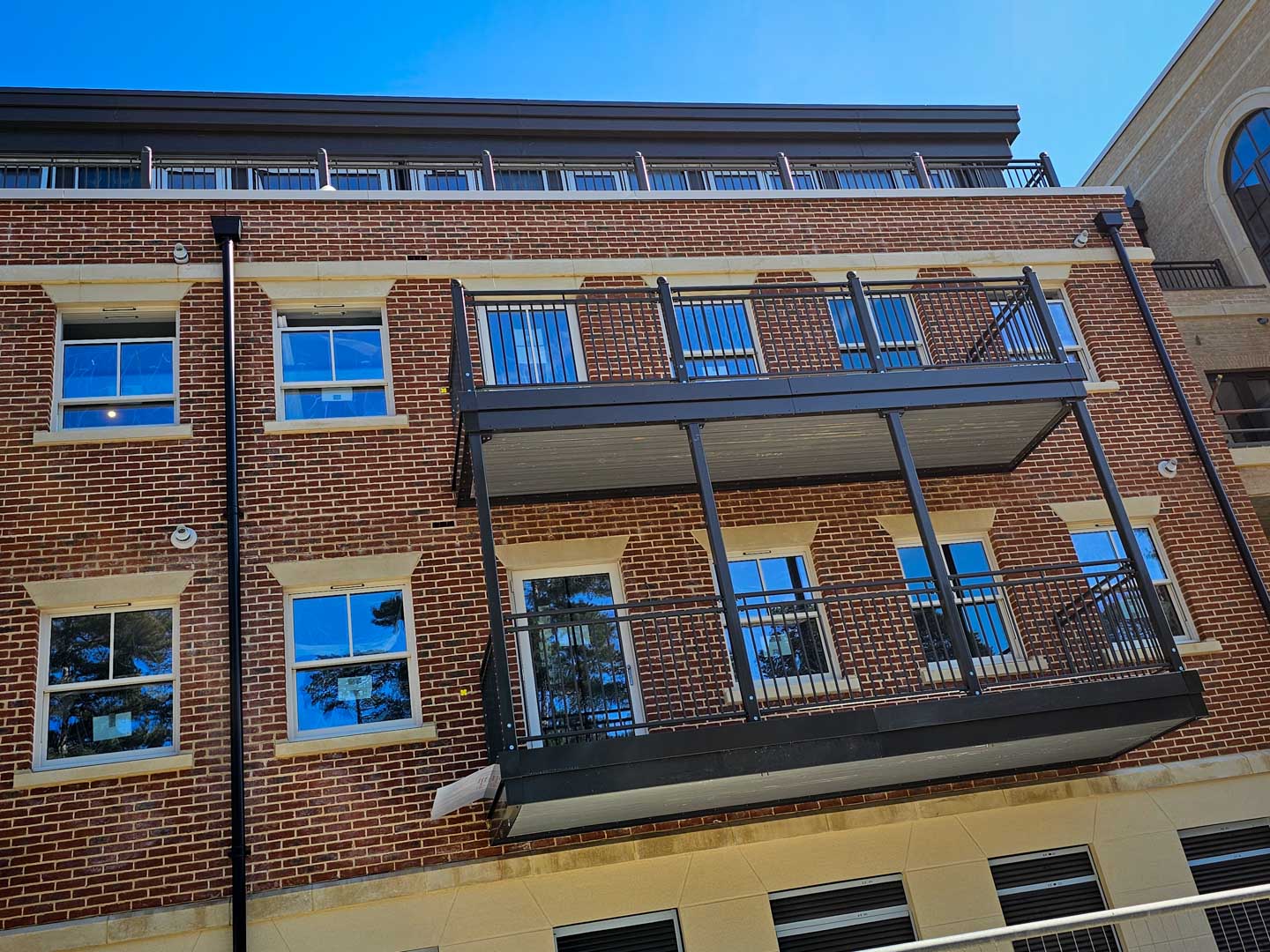
o Erect posts
and base plates; set plumb and torque anchor bolts to specified settings. For
cast-in anchors, verify location and embedment.
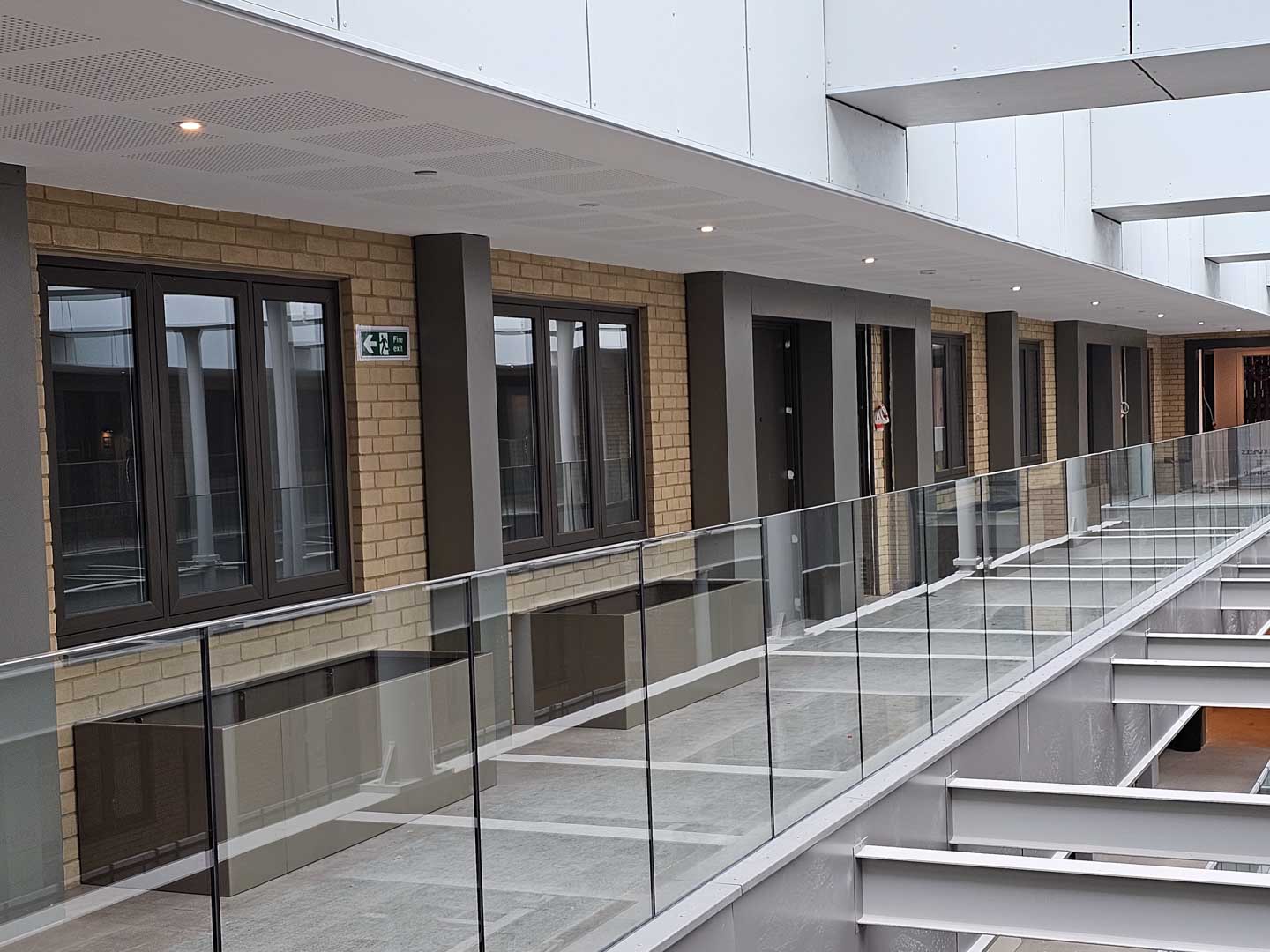
o Install
rails, infill panels or glass balustrades in the sequence that gives safe
fixation and avoids damage (bottom rail → infill → top rail typical). For
frameless glass balustrades, use certified setting blocks, gaskets and clamping
pads.
o Check
handrail heights, terminal posts, and pedestrian impact test points; ensure
continuity of handrail and no sharp projections. Provide temporary tags where the
final infill is left for later trades.
5.
Alignment, Adjustments &
Testing
· Dimensional Checks & Tolerances
o Verify all
elements against the design tolerances: beam levels, plumb of posts, gap
widths, and panel alignment. Use laser levels, digital inclinometers and feeler
gauges. Record any deviations and agree on remedial action where required with
the engineer.
· Structural & Connection Verification
o Carry out
torque tests for all bolted connections and record outcomes. For welded
connections, ensure NDT acceptance prior to hiding.
o Load-test
critical anchors where required (pull-out tests) and submit certificates.
· Functional Tests
o For
balustrades: carry out handrail deflection checks and, where required, impact
tests in line with the specification or building regulations.
o For
gratings: test access hatches and positive locking mechanisms; verify drainage
and anti-slip performance.
o Acoustic
separators: verify seals and that separation continuity is retained through
fixings.
Post-Installation
Phase
1. Surface
Protection & In-Situ Finishes
o Remove
temporary protective coverings only when adjacent trades no longer risk damage.
o Prepare and
apply the specified in-situ corrosion protection or touch-up paint to
site-welds, bolt heads and cut edges (follow manufacturer’s application and DFT
requirements). Record batch numbers and application conditions (temp,
humidity).
o For
galvanised systems, apply approved repair products for field cut edges and
maintain separation from dissimilar metals.
2.
Cleaning, Debris Removal &
Final Fixing
o Clean
surfaces with manufacturer-approved products. Remove weld spatter, grinding
dust and ensure drainage paths are clear.
o Replace any
sacrificial packing or temporary bracing with final finishing pieces. Complete
final infill and cover plates.
3.
Quality Assurance, Documentation
& Handover
· QA Records & Traceability
oView full scope of Services for - Hot-rolled steel framing, Gratings, Separators and Balustrade systems