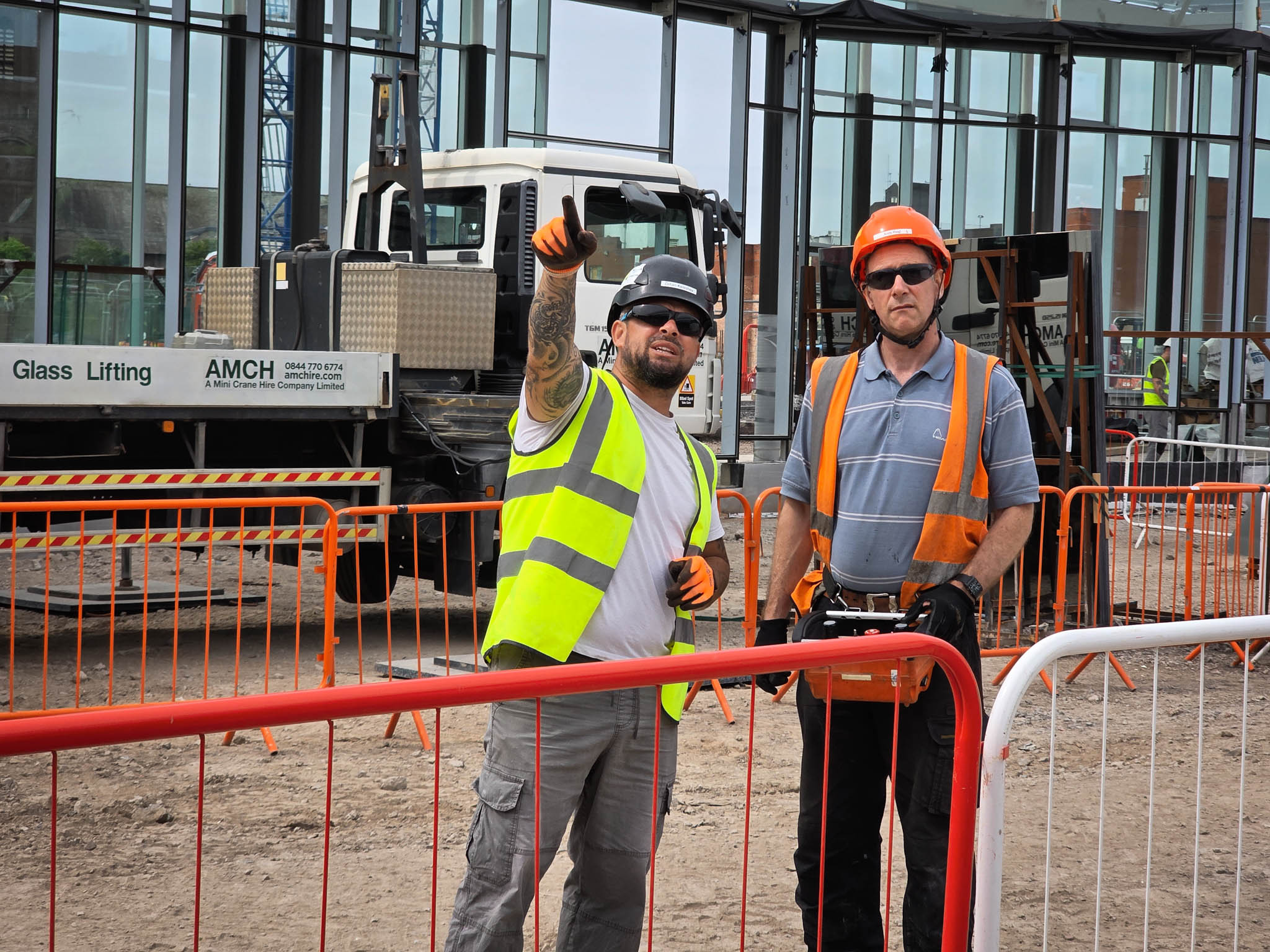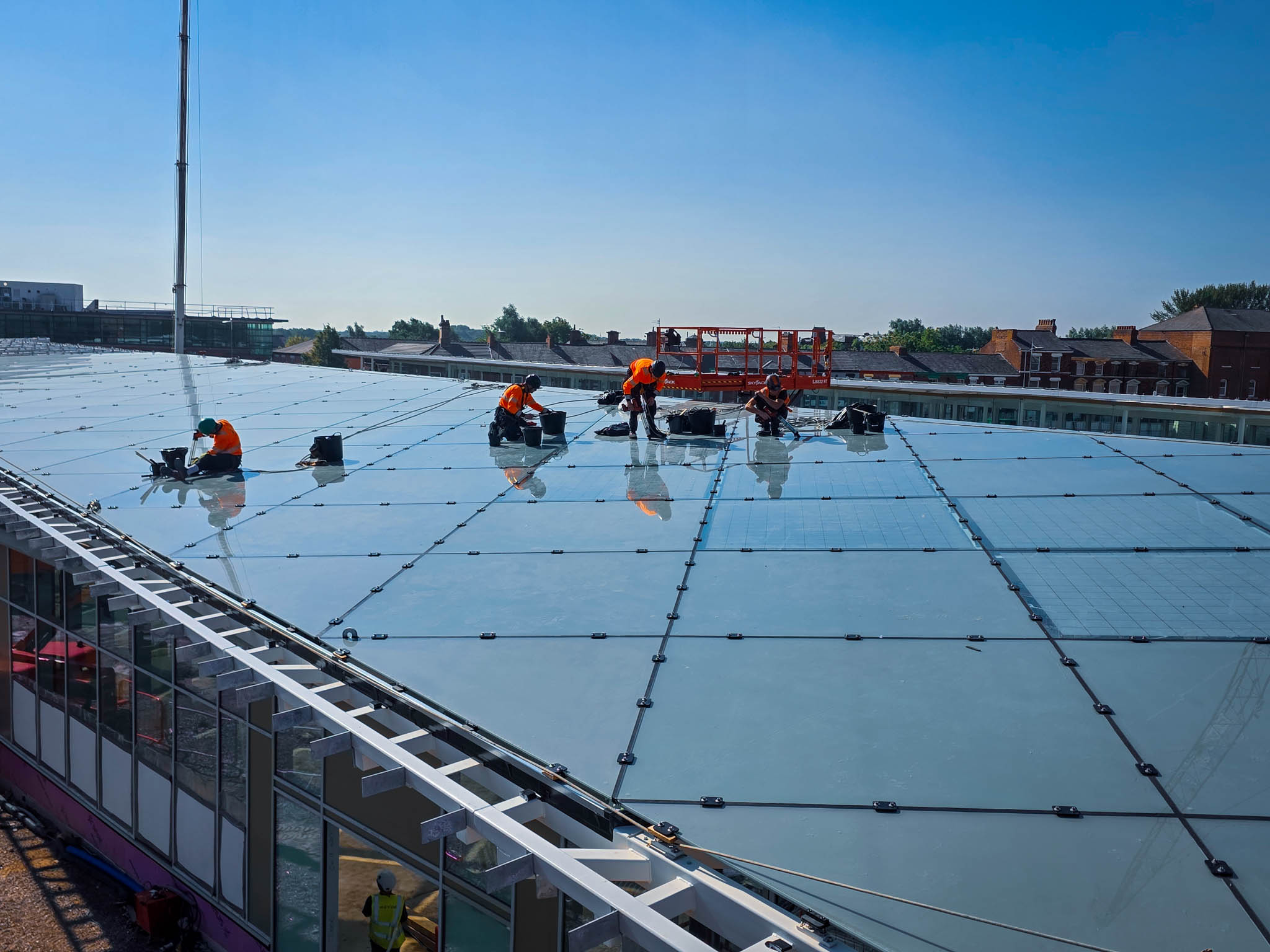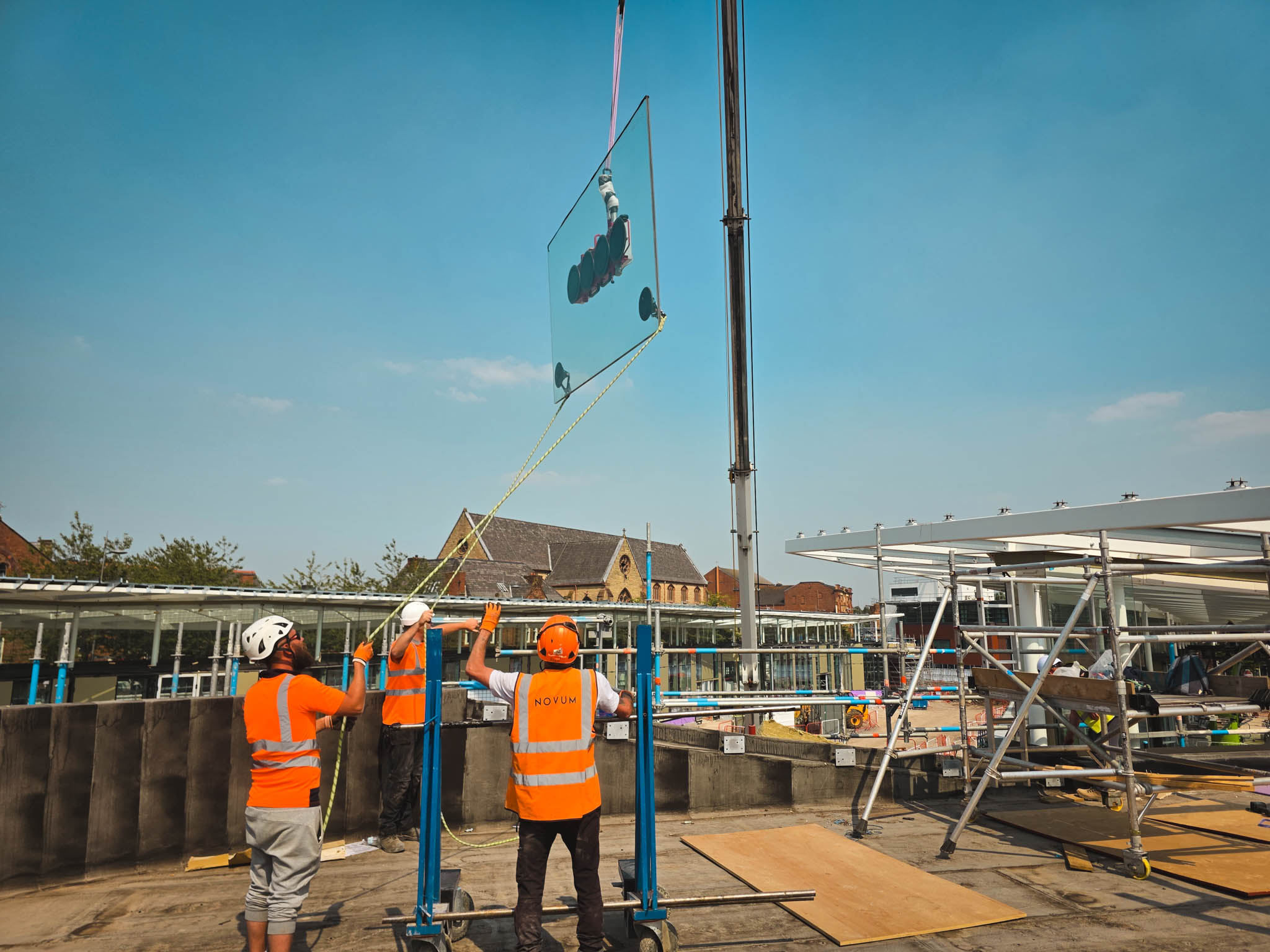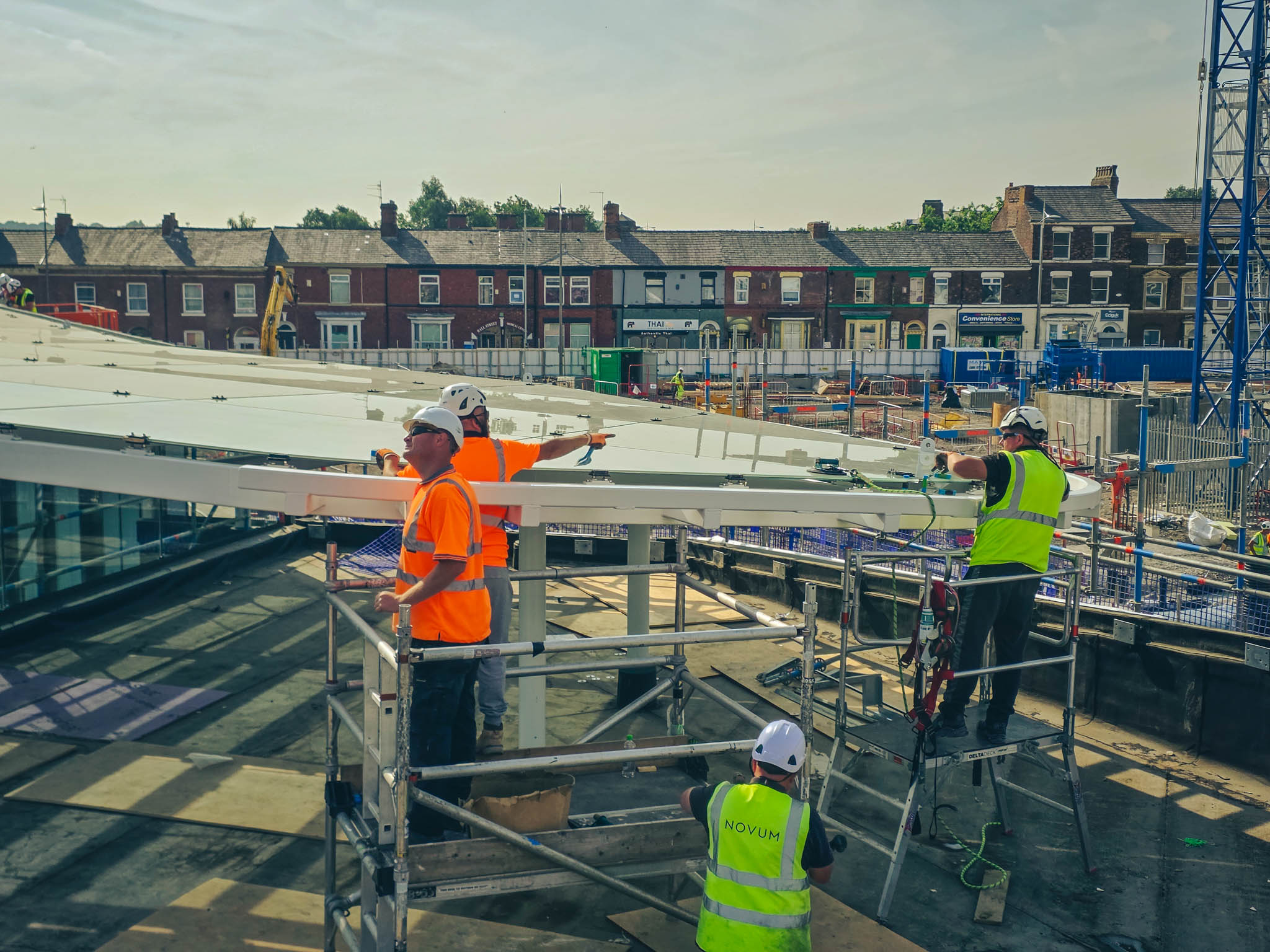
After more than a decade of operating under the On Facades brand,
we've had the privilege of delivering over 60 medium and major facade,
glazing and building envelope projects throughout the UK. Looking back
through our project portfolio, one thing becomes immediately obvious - we
rarely choose the easy route.
Rail infrastructure, hospitals, universities, commercial
developments, occupied buildings, shopping centres, transport hubs, complex
roof structures, bespoke architectural glazing... every project presents its
own unique challenges.
Yet despite changing locations, clients, design teams,
weather conditions and project constraints, one thing has remained remarkably
consistent.
Our projects get delivered.
Not because we possess a secret
formula.
Not because everything always goes
according to plan.
But because of the culture we've built around the people
delivering them.
The Conversation We Keep Having
Every so often, we bump into
former clients, project managers or members of our site teams.
The conversations almost always
follow the same pattern.
Someone remembers the impossible
programme.
Someone laughs about the access
problems.
Someone mentions the endless
design revisions.
Someone recalls the weather...
And eventually somebody says:
"We had a great team on that project."
Rarely does anyone remember
individual productivity figures.
Nobody remembers how many emails
were sent.
Very few remember who made the
mistake that delayed the programme.
People remember how the team responded.
Looking back on ourselves, perhaps that's what has allowed
us to successfully manage multiple projects across the country for so many
years.
Leadership Isn't About Having
Every Answer
Construction has become
increasingly complex.
Today's Site Supervisors and
Project Managers don't simply supervise labour.
They coordinate logistics, health
and safety, quality assurance, design information, lifting operations,
temporary works, client expectations and changing programmes - often all before
lunchtime.
Trying to control every decision
from head office simply doesn't work.
Our role as leaders is not to
remove every challenge.
It's to create an environment where people feel confident
solving them.
1. Less Pressure. More
Progress.
Pressure isn't always productive.
Construction already provides
enough of it naturally.
Tight programmes.
Unexpected delays.
Weather.
Design changes.
Material shortages.
When additional pressure comes
from constant micromanagement, people stop focusing on solutions.
Instead they begin protecting
themselves.
Energy moves away from improving
the project...
...and towards avoiding criticism.
We've learned that good leadership
creates clarity rather than fear.
People perform best when they
understand the objective, know the boundaries, and are trusted to apply their
experience.
The result?
More ownership.
Better decisions.
Faster progress.
2. Setbacks Can Become the Best
Training You'll Never Plan
Every project experiences
setbacks.
The question isn't whether they
happen.
The question is how your
organisation reacts.
If every mistake results in blame,
people naturally become defensive.
Information slows down.
Problems get hidden.
Lessons disappear.
But when setbacks are investigated
objectively rather than emotionally, something different happens.
Learning becomes part of everyday
work.
Confidence grows.
People become comfortable asking
questions before making assumptions.
Ironically, this often reduces future mistakes far more
effectively than strict supervision ever could.
3. When People See Their
Impact, They Start Thinking Like Owners
One of the greatest motivators
isn't money.
It's purpose.
Our teams install glazing systems,
curtain walling and cladding.
But they also know they're helping
deliver hospitals, universities, transport infrastructure and commercial
buildings that people will use for decades.
We regularly share project
milestones with everyone involved.
Air testing passed.
Final glass installed.
Building handed over.
Client feedback received.
When people see the finished
result of their work, something changes.
Tasks become achievements.
Jobs become projects.
Employees become contributors.
That sense of ownership cannot be
forced.
It has to be earned.
4. Problems Are Easier to Solve
Than People Are
Construction is full of problems.
Late deliveries.
Design queries.
Access conflicts.
Programme changes.
Equipment breakdowns.
Those challenges are unavoidable.
Finger-pointing isn't.
One of the principles we've tried hardest to maintain throughout our projects is simple:
Own the problem together.
That doesn't remove
accountability.
It simply changes the
conversation.
Instead of asking:
"Who caused this?"
We first ask:
"How do we move
forward?"
When blame disappears...
Communication improves.
Ideas emerge faster.
People become willing to admit
mistakes earlier.
Clients notice.
The programme benefits.
Everyone wins.
Managing Projects Hundreds of
Miles Apart
People often ask how we're able to
deliver projects across the country with relatively lean management structures.
The honest answer is...
It's never one person.
It's a network.
Project Managers.
Site Supervisors.
Design coordinators.
Operatives.
Clients.
Manufacturers.
Logistics providers.
Plant suppliers.
Health & Safety professionals.
Every successful project depends
on hundreds of decisions made by people who trust one another.
Leadership isn't about controlling
all of those decisions.
It's about creating an environment
where the right decisions become the natural choice.
Construction Is Still About
People
Technology continues to improve.
We have better software.
Better planning tools.
Better communication.
Better equipment.
But construction remains a people
business.
Buildings are still delivered by
relationships.
By trust.
By accountability.
By leadership.
Looking back over more than sixty
completed projects, we're proud of the buildings we've helped create.
But we're even prouder of the
teams who made them possible.
Because long after the drawings
are archived and the cranes leave site...
People will still remember how
they were treated.
And that's often the strongest foundation any business can
build upon.
Final Thoughts
At On Facades, we've
learned that successful leadership isn't measured by how little goes wrong.
It's measured by how a team
responds when things inevitably do.
Projects finish.
Buildings change ownership.
Contracts come and go.
But the culture you build within
your organisation travels with every new project.
Invest in that first, and everything else becomes easier to
build.