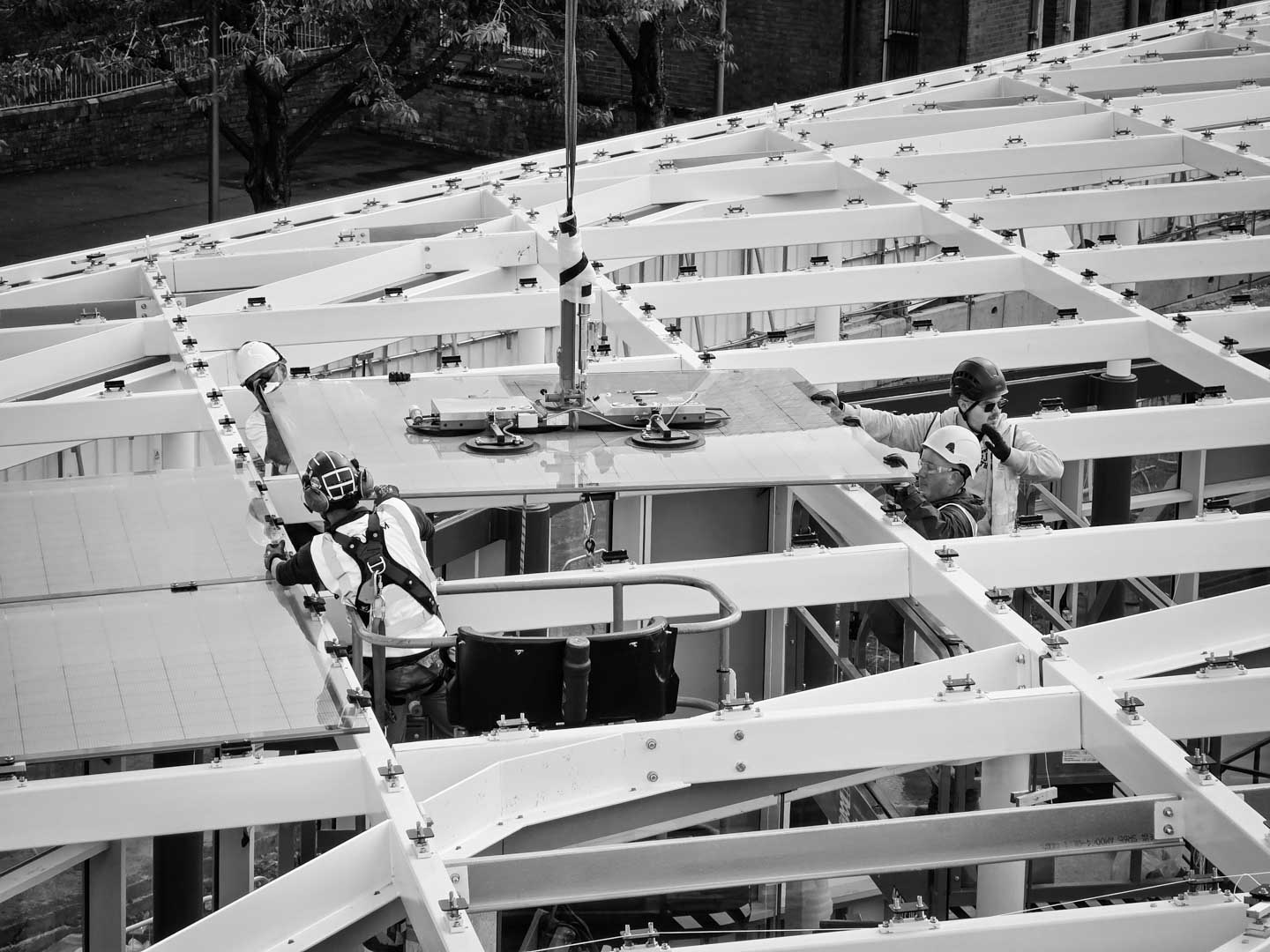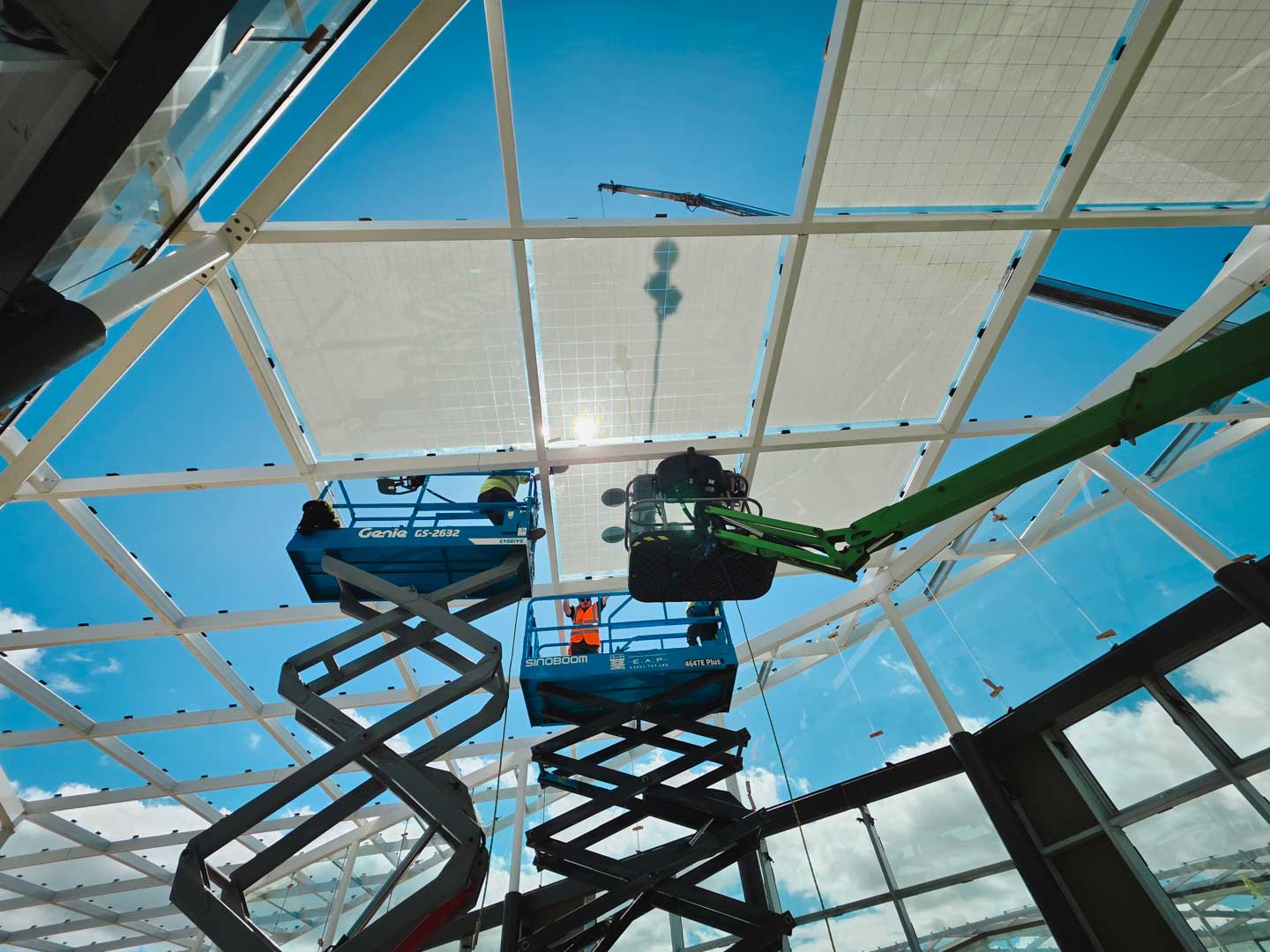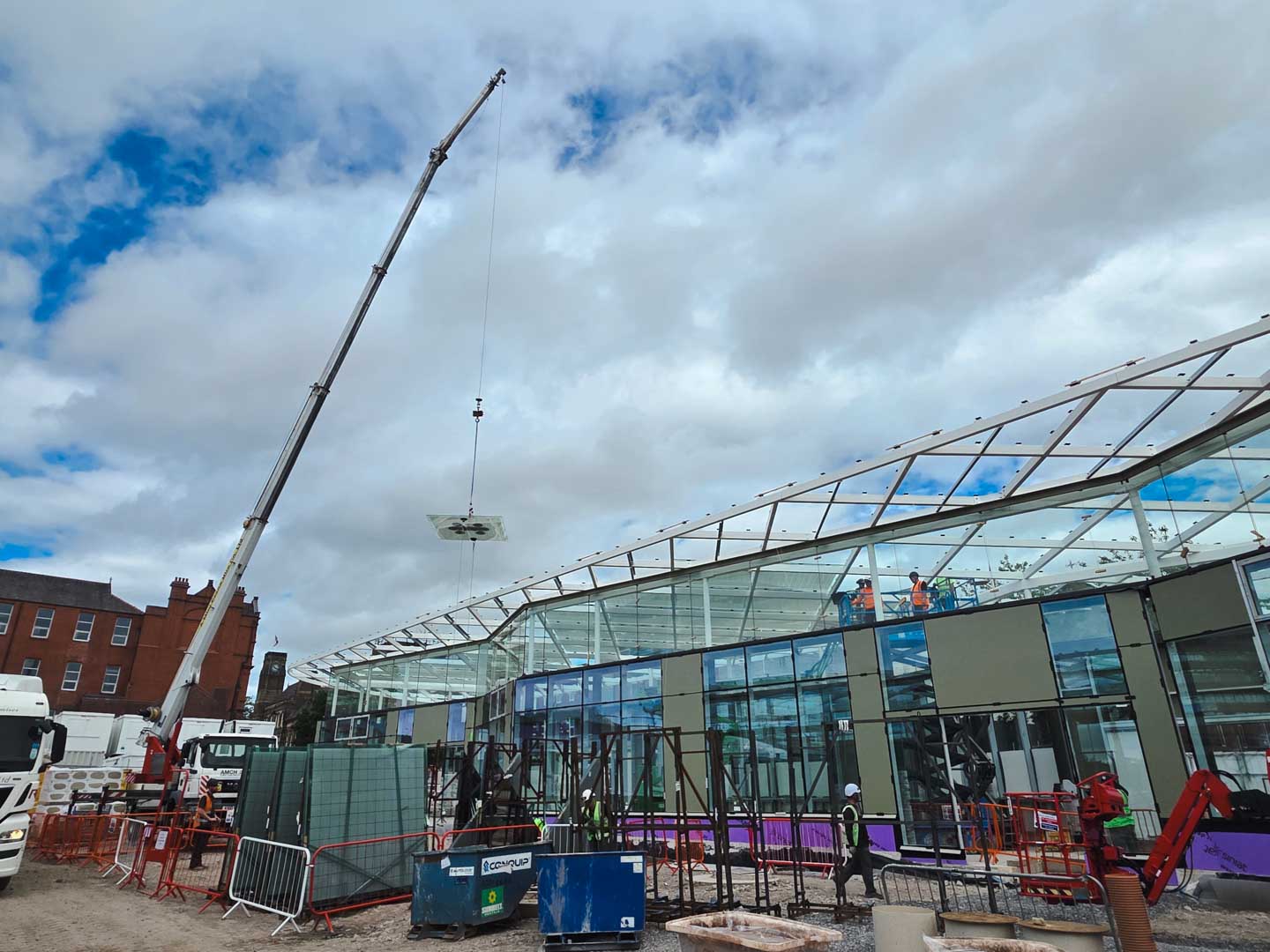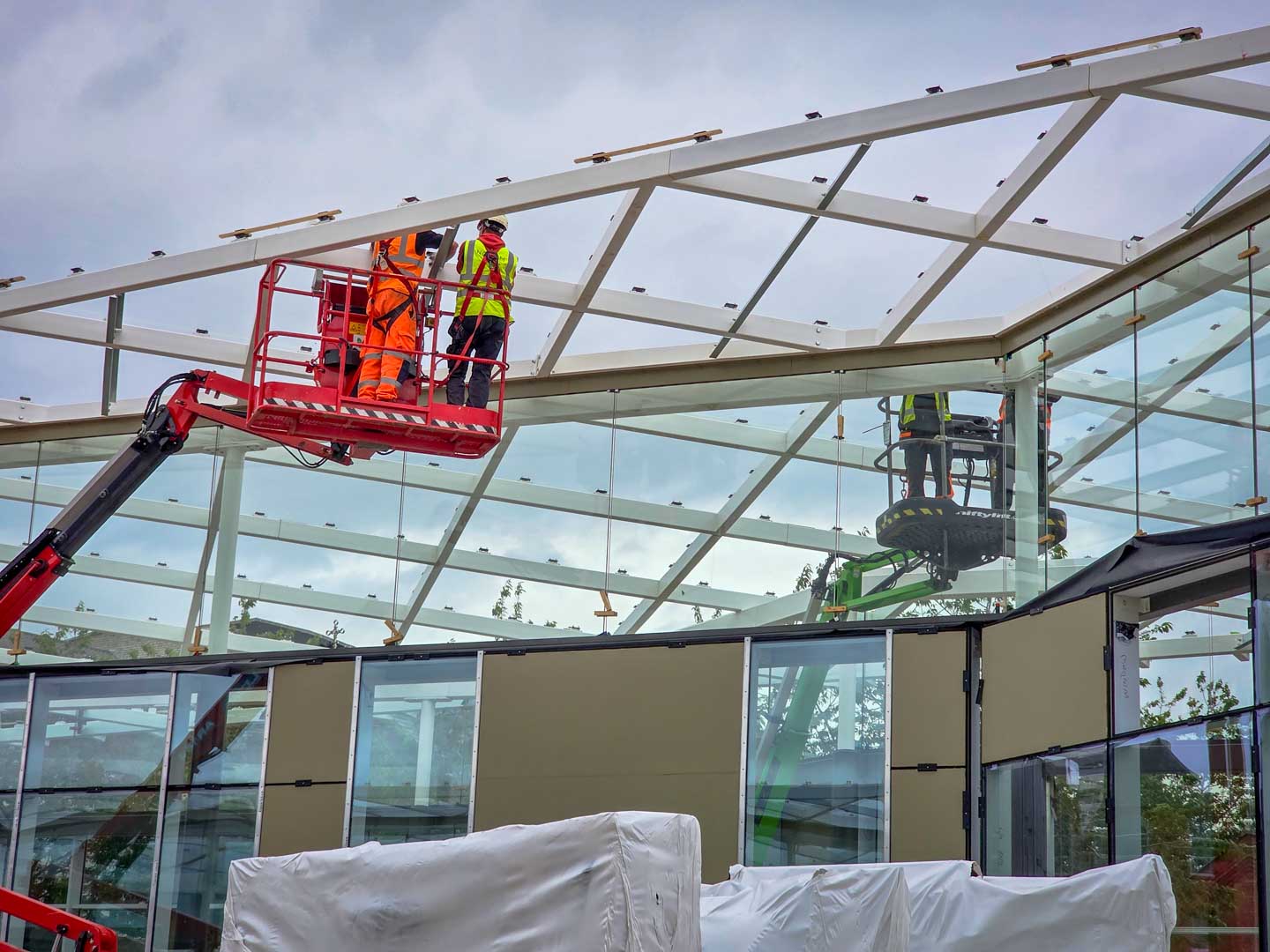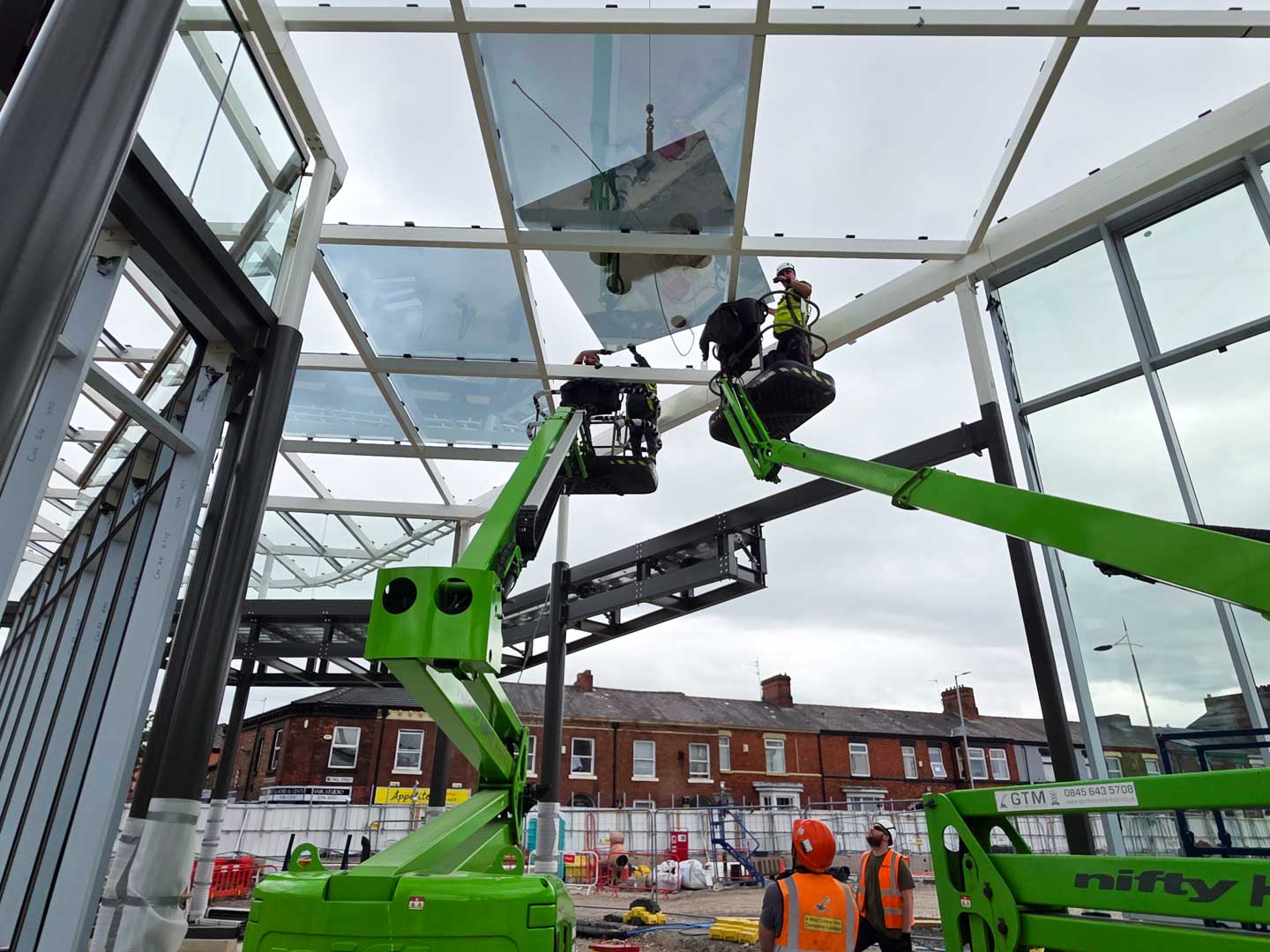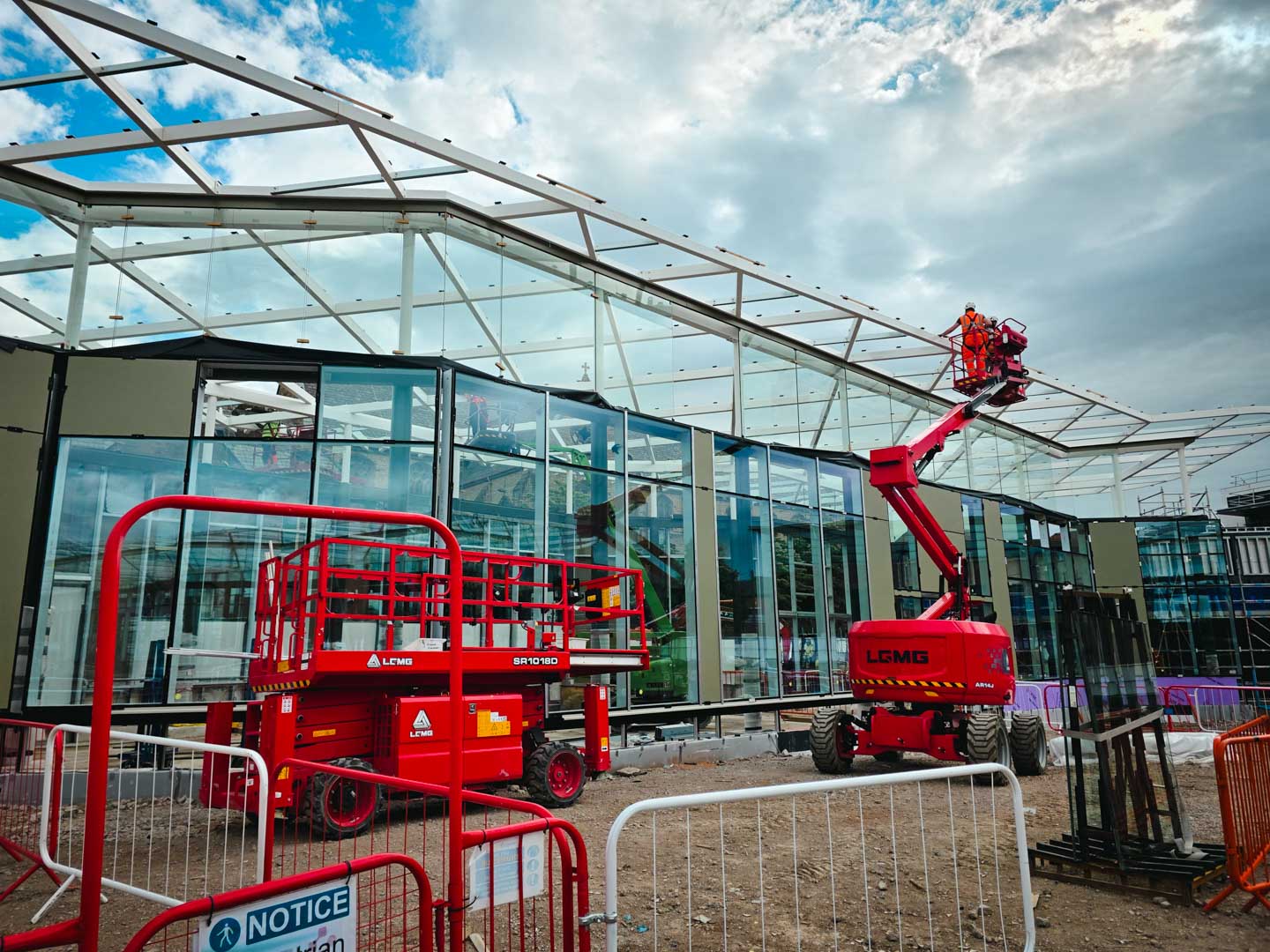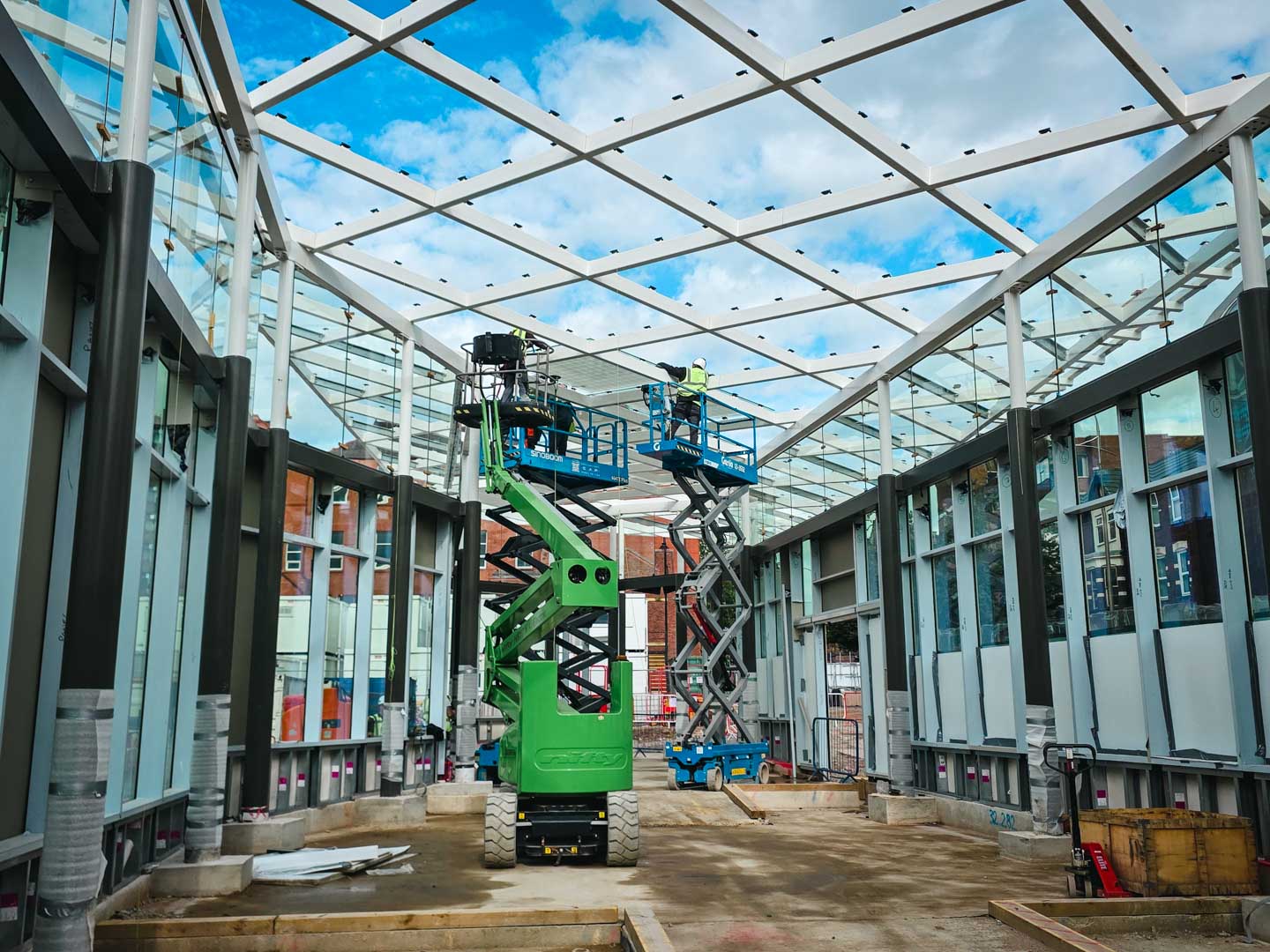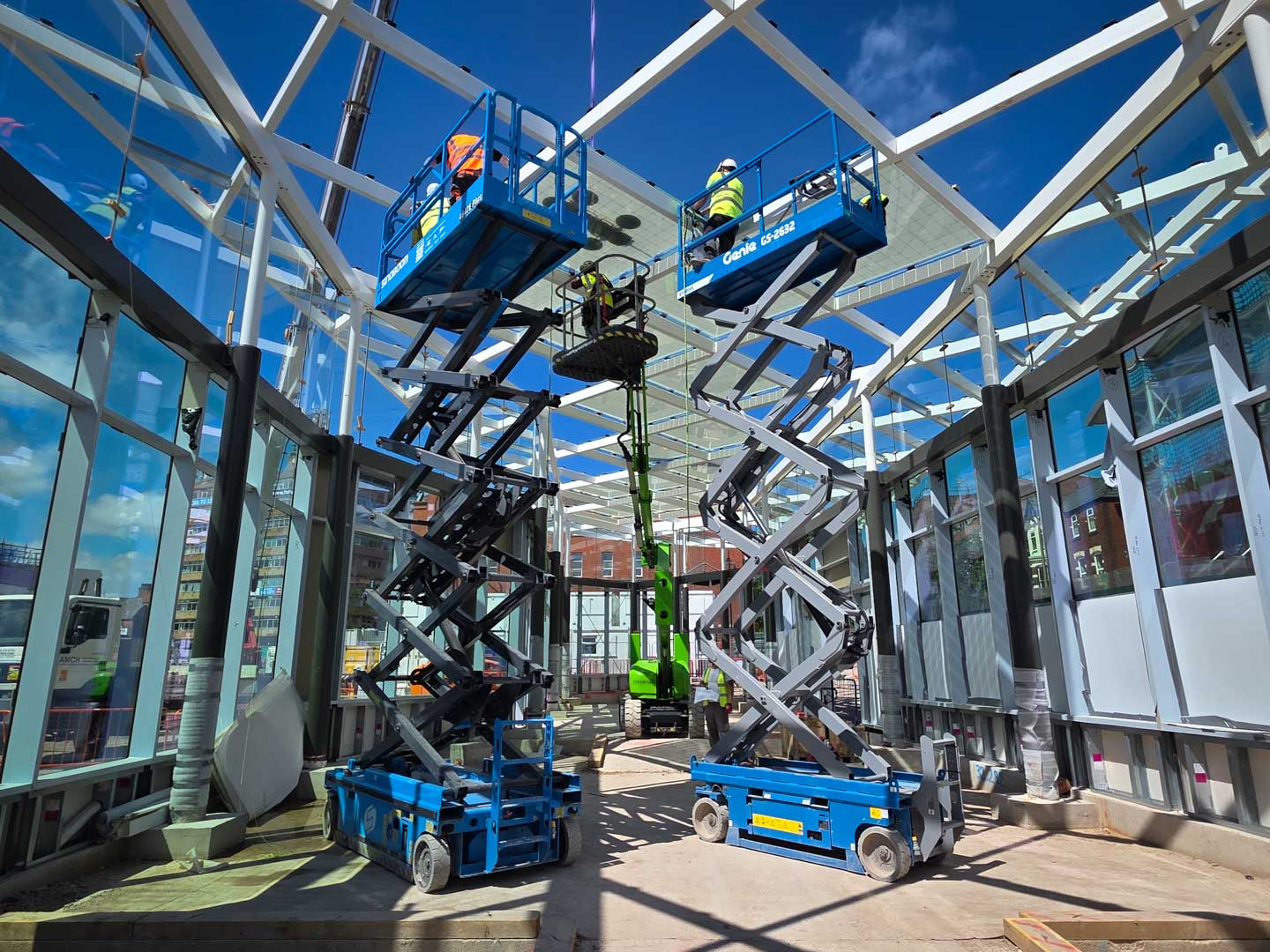
For decades, working at height has
been one of construction's highest-risk activities.
Yet, despite improved equipment, better PPE and stricter
legislation, falls from height remain one of the leading causes of fatal
injuries in UK construction.
The question, therefore, becomes:
If the equipment has
improved... why are incidents still happening?
The answer often isn't equipment.
It's planning.
It's communication.
It's competence.
It's culture.
Following the Building Safety Act
and increasing scrutiny from the HSE, clients now expect specialist facade
contractors to demonstrate not only safe installation, but safe planning from
the earliest design stages.
Safety no longer starts on site. It starts in the office.
Why facade contractors are
different
Unlike many trades, facade
installers regularly combine:
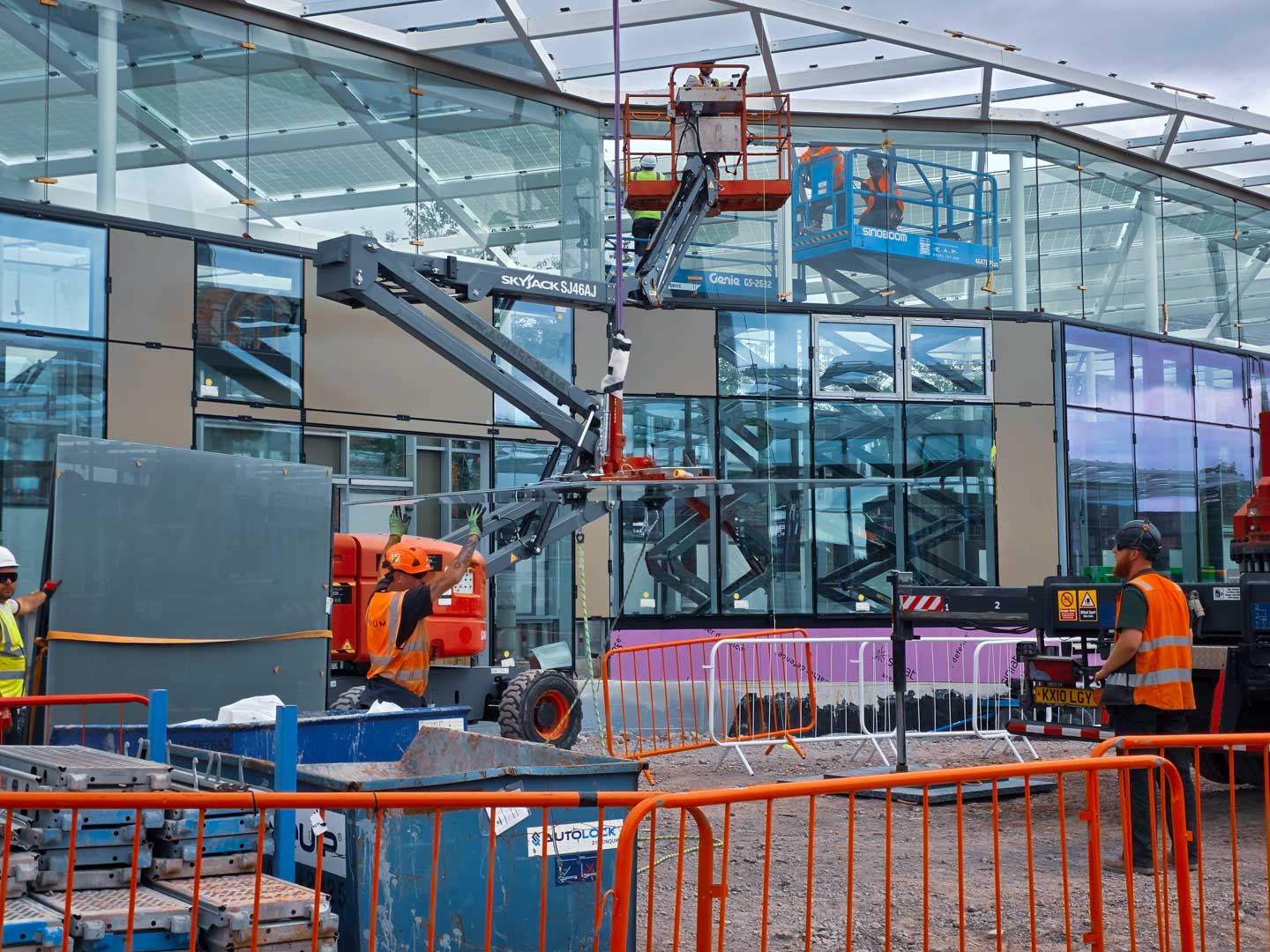
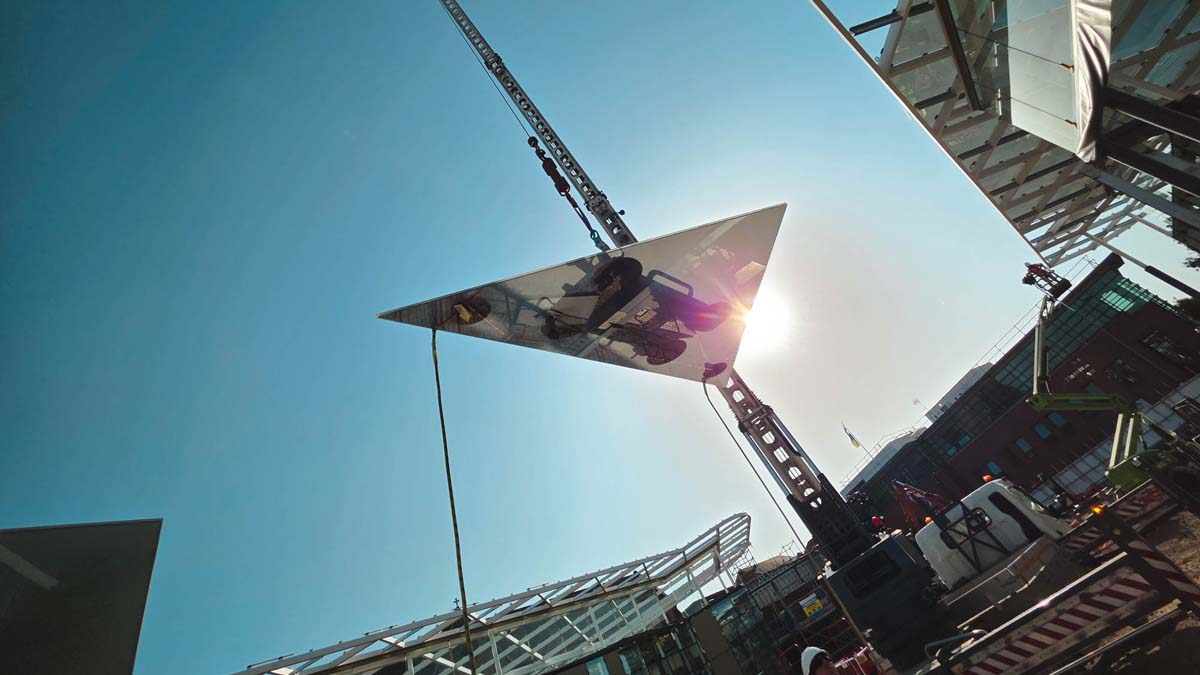
- lifting operations
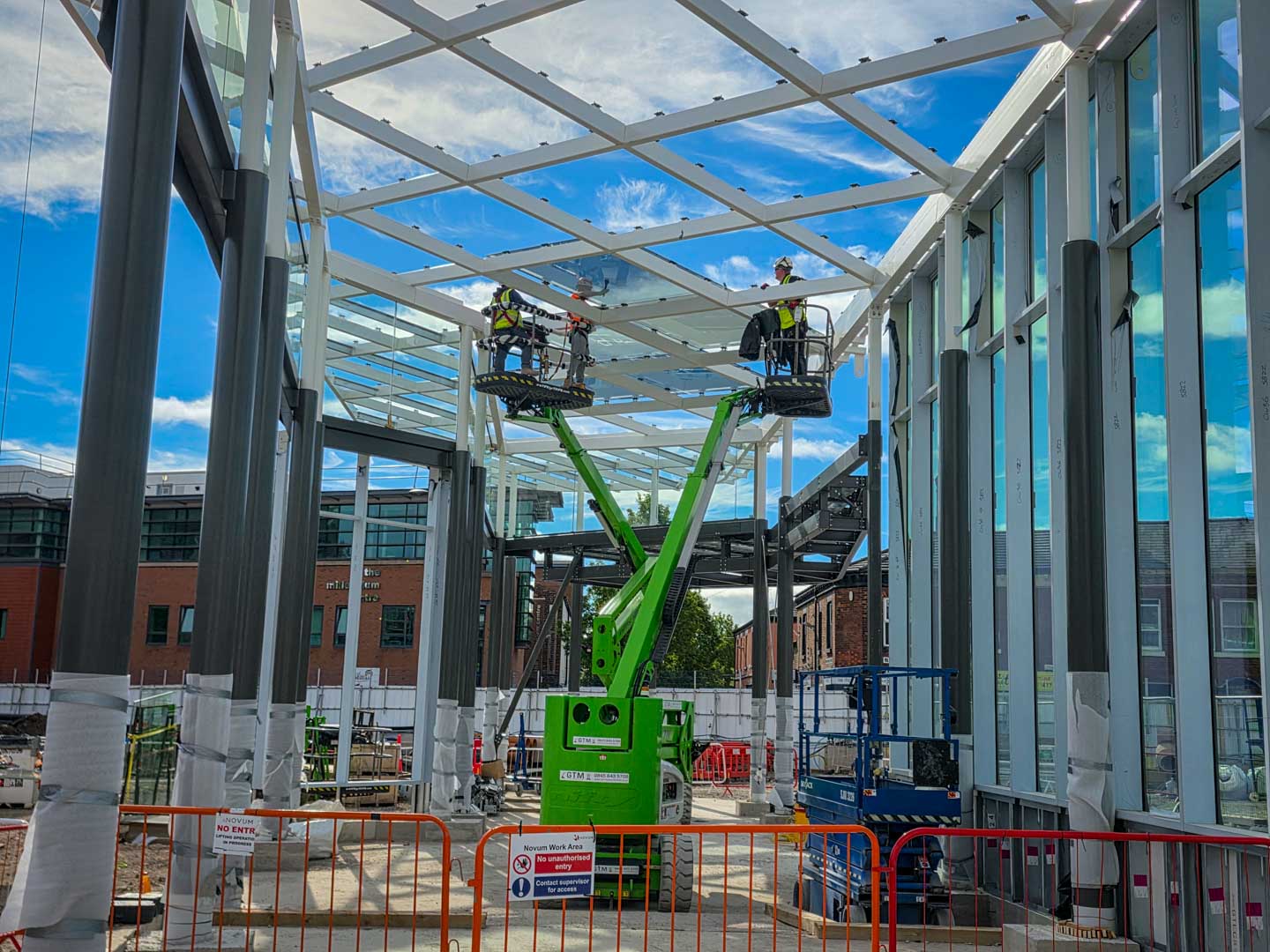
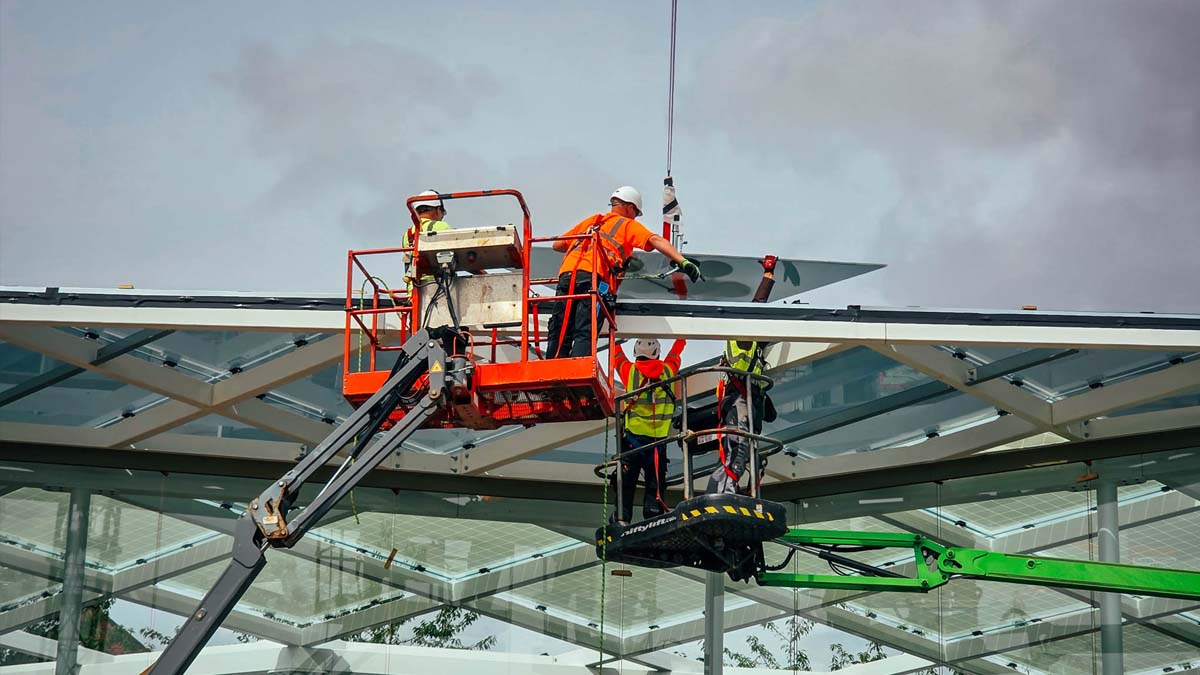
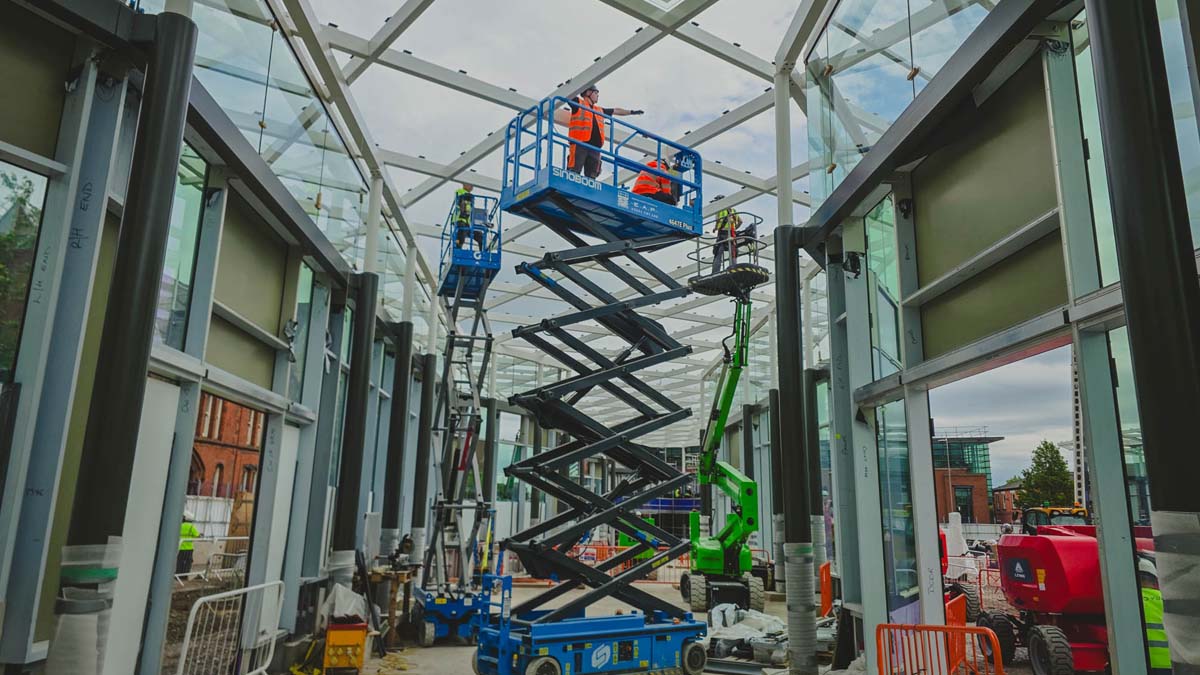
- MEWPs
- suspended loads
- fragile materials
- leading-edge work
- changing access
- weather exposure
- public interface
Every day presents different hazards. That means yesterday's RAMS rarely solve today's problem.
The industry is moving away
from:
"We have always done it this
way."
Towards:
"Show me how this will be done safely."
Clients now expect
Instead of simply supplying
labour, specialist contractors increasingly provide:
• Lift planning
• Logistics planning
• Temporary works coordination
• Access strategies
• Rescue planning
• Exclusion zone management
• Design reviews
• Sequencing advice
Safety has become a value-added service.
Companies that invest in planning
safety before arriving on site rarely lose time solving avoidable problems
later.
The safest projects are often the
most profitable ones.