Why Periodic Maintenance of Floor Cranes Is Critical for
Safe and Efficient Operations
In the world of lifting and logistics, floor cranes often
play a quiet but essential role. From glazing operations to handling structural
elements in restricted environments, their reliability is something most teams
take for granted—until something goes wrong.
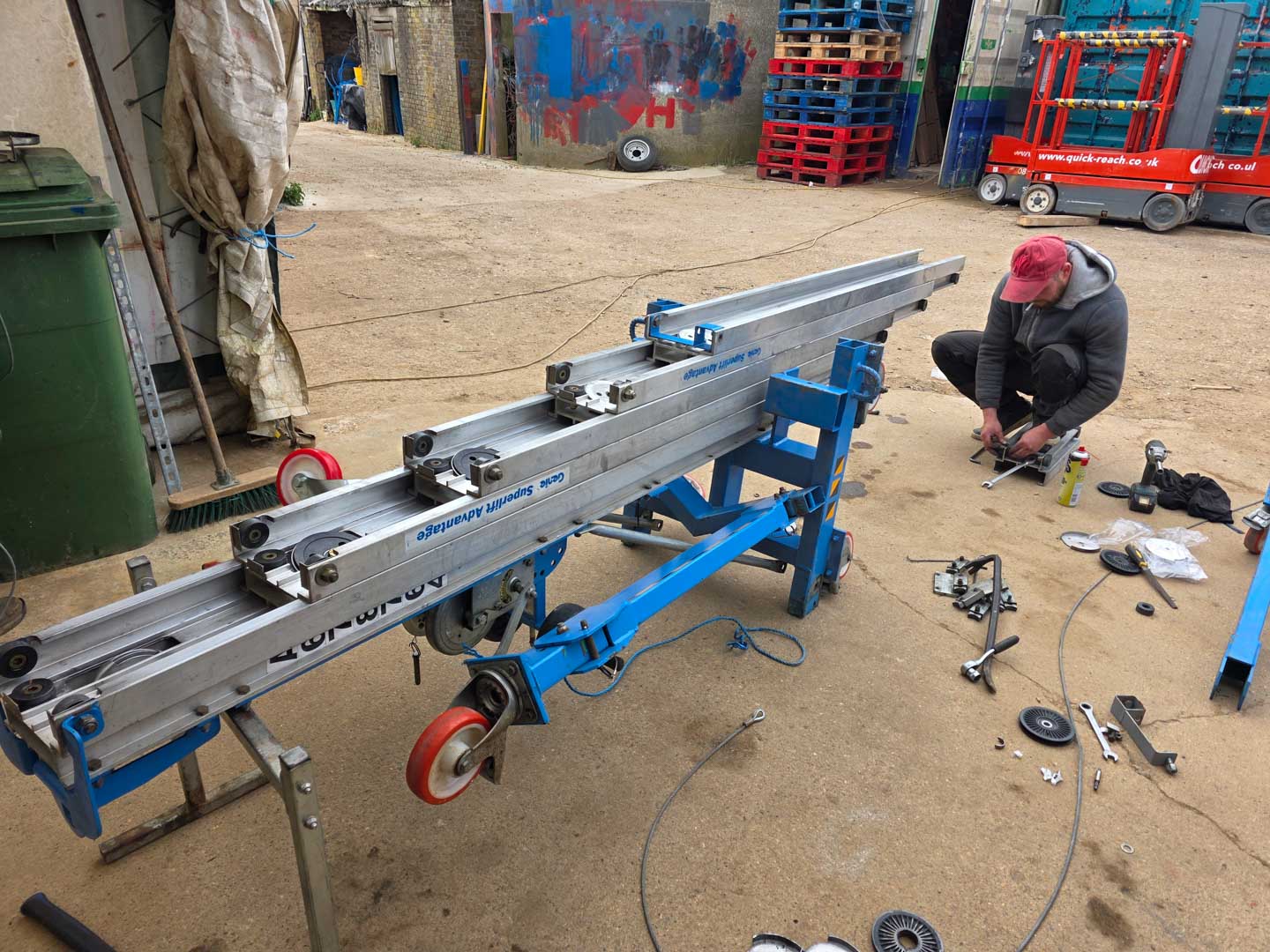
At On Facades, undertaking the periodic maintenance on our
floor cranes is not just a recommendation; it is a fundamental requirement for
ensuring safety, performance, and long-term value.
Safety Comes First
Floor cranes operate under
significant loads and mechanical stress. Over time, components such as
hydraulic systems, wheels, brakes, and structural joints are subject to wear
and fatigue.
Without regular inspection and servicing, small defects—like
a minor hydraulic leak or a worn pivot point—can escalate into serious
failures, potentially leading to dropped loads, equipment collapse, or
personal injury.
Protecting Equipment
Performance
A well-maintained floor crane
performs smoothly, predictably, and efficiently.
In high-risk activities such as glazing or façade
installation, precision is key. A crane that doesn’t respond consistently can
compromise not just the operation, but also the integrity of the materials
being handled.
Reducing Downtime and Hidden
Costs
Unexpected equipment failure
rarely happens at a convenient time. It disrupts workflows, delays programmes,
and introduces additional costs—often far exceeding the cost of routine
servicing.
Planned maintenance allows
businesses to:
- Avoid unplanned breakdowns
- Maintain project timelines
- Reduce emergency repair costs
- Extend
the lifespan of equipment
In short, preventative maintenance is always more
cost-effective than reactive repairs.
Ensuring Compliance and
Accountability
On modern construction sites,
compliance is non-negotiable. Regular maintenance records, inspection logs, and
certification demonstrate that equipment is fit for purpose and properly
managed.
Beyond regulations and performance, periodic maintenance
reflects a broader mindset: professionalism and responsibility.
Teams that care for their
equipment:
- Work more confidently
- Reduce risk exposure
- Deliver
higher-quality outcomes
At the end of the day, maintaining lifting equipment is not
just about machinery—it’s about protecting people, projects, and reputations.